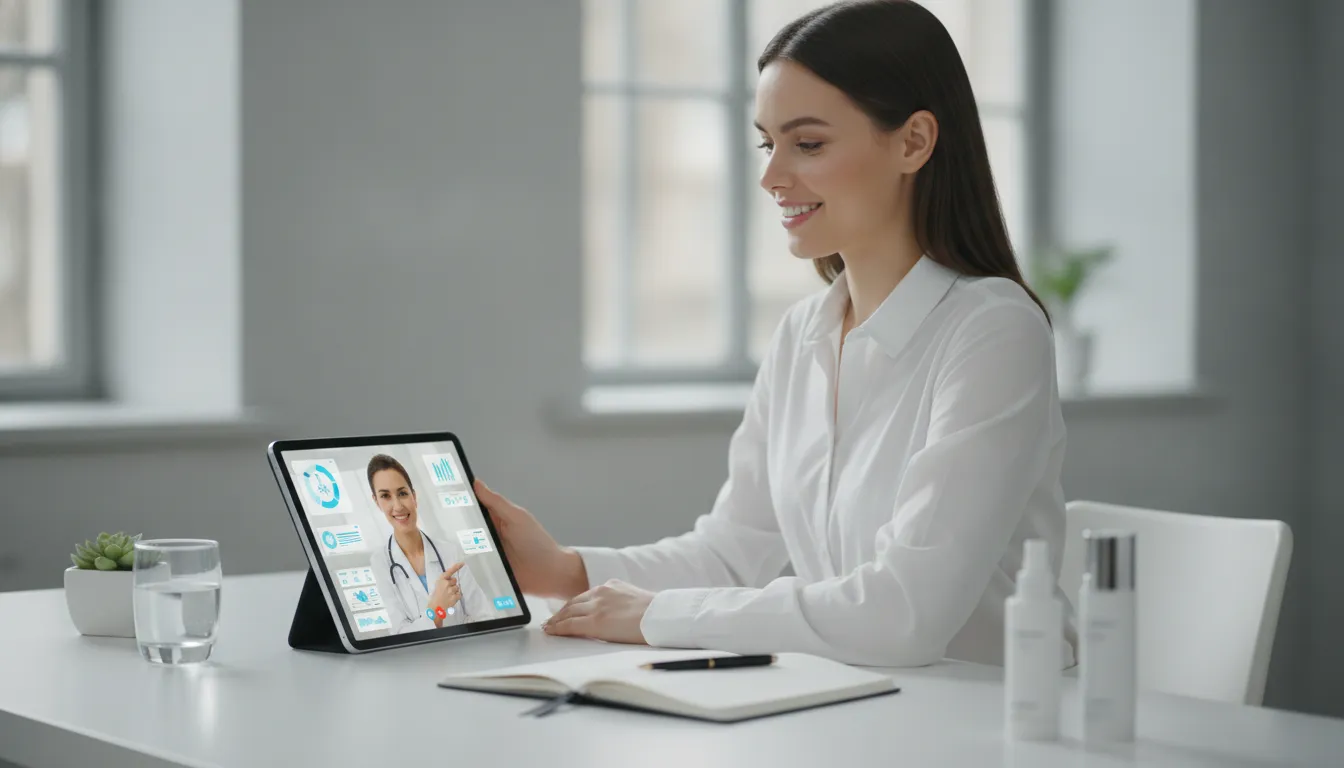
Breakouts don’t always respond to the cleanser or spot treatment you picked up at the pharmacy. If acne is painful, persistent, or leaving dark marks, advice from a qualified clinician can help you make a more informed plan. An online dermatologist for acne treatment may assess your skin using photos or video, review your health history, and discuss options that fit your needs. Virtual care can be convenient, but it has limits, and a prescription isn’t guaranteed. This guide explains what to expect, how to prepare for an appointment, what treatments a provider may discuss, and when an in-person visit may be the better choice.
Key Takeaways
- Make your online visit count: Submit clear photos and note your symptoms, health history, medications, skincare products, and past treatments.
- Choose care that fits your needs and budget: Verify the provider’s credentials, what the fee covers, prescription costs, response times, and follow-up options.
- Use treatment with guidance: Ask how to apply medications, what side effects to watch for, and when to check in. Seek in-person care for severe, painful, worsening, or unclear symptoms.
What Does an Online Dermatologist Do for Acne?
An online dermatologist reviews your skin concerns, asks about your health and skincare routine, and recommends next steps. Depending on the service, you may meet by video or submit photos and answers to a health questionnaire for a provider to review. Since acne is often assessed by its appearance and pattern, clear images and a detailed history can help the dermatologist understand what may be behind your breakouts. A board-certified dermatologist can assess many skin conditions online, though the best option depends on your symptoms and the information you can share.
Your provider may ask when your acne began, where it appears, whether it changes around your menstrual cycle, and which treatments you have tried. They may recommend over-the-counter products, prescribe medication when appropriate, or suggest an in-person visit if they need to examine your skin more closely. Before booking, check how the consultation works, when you can expect a response, and what follow-up support is available.
Acne care is often a process rather than a one-time visit. Some treatments take time to work and may cause dryness or irritation at first. Your dermatologist can explain how to use a treatment, what side effects to watch for, and when to check in about your progress. Prepare a few questions in advance so you leave the visit knowing what to do next.
How providers assess acne through video visits and photos
During a video visit or photo review, a dermatologist may look at where breakouts appear, what the blemishes look like, and whether there are signs of inflammation, dark spots, or scarring. They may ask whether the affected areas feel painful or itchy and how long the spots have been present. Be ready to describe how your skin has changed over time, too.
Photos are useful, but they are only one part of the assessment. Follow the service’s instructions for taking pictures, and use clear, unfiltered images in good lighting. Share relevant symptoms and health details rather than relying on photos alone. The American Academy of Dermatology’s acne treatment guidance explains why identifying the cause of a breakout matters before choosing a treatment.
Choose a licensed provider and check availability
Look for a provider licensed to practice where you live, and review their training and experience treating acne. If you specifically want care from a dermatologist, confirm that the clinician is a dermatologist and check their credentials. Telehealth services vary: some offer live video visits, while others let you submit information and photos for review.
Before booking, ask how long it usually takes to receive a response and what to do if your symptoms change while you wait. Find out whether follow-up questions are included, how you can contact the care team, and whether prescriptions can be sent to your preferred pharmacy. Response times and services differ, so check the details rather than assuming every online appointment includes the same support.
Prepare photos, health history, medications, skincare products, and goals
Before your appointment, make a brief list of when your acne started, where it appears, and what seems to make it better or worse. Include medications and supplements you take, skincare products you use, and acne treatments you have tried. Note whether a treatment helped or caused irritation. Also share relevant health information, including pregnancy or breastfeeding, since it may affect which treatments are suitable.
Take photos according to the service’s instructions, typically without makeup or filters and in clear, consistent lighting. It can also help to write down your goals, such as fewer painful breakouts or advice for lingering dark spots. Being specific gives the dermatologist a clearer picture of what matters to you and helps shape a practical treatment plan.
Ask about privacy, response times, follow-ups, and refills
Before uploading photos or health information, review how the service handles your personal details. Check who can access your records and how to contact the service if you have a question about your information. You can also confirm the usual response time, whether follow-up messages are included in the price, and what to do if you have a reaction to treatment.
If you receive a prescription, ask how refills work and whether you’ll need another appointment. Some acne medications can irritate the skin, particularly when you first start using them. The American Medical Association highlights the value of guidance on acne-treatment side effects. Ask how often to apply the medication, whether to use it with moisturizer, and when to contact your provider about discomfort.
Know what online care can and can’t assess
Online care can be a convenient way to discuss common acne concerns, but photos and video may not provide enough information for every diagnosis. If your symptoms are unclear or need a closer examination, the provider may recommend an in-person visit. Follow that advice, especially if a painful bump or rash looks or behaves differently from your usual breakouts.
Some conditions can resemble acne but need different treatment. For example, the American Academy of Dermatology explains that hidradenitis suppurativa can be mistaken for acne. Tell your provider if you have deep, recurring lumps, drainage, significant pain, or symptoms in areas such as the armpits or groin. If symptoms are severe or you are unsure about the assessment, ask whether an in-person evaluation is the right next step.
What Types of Acne Can Online Dermatologists Treat?
Online dermatologists can assess many common acne concerns through photos, a video visit, and questions about your symptoms and health history. They may recommend changes to your skincare routine, prescribe treatment when appropriate, or suggest an in-person appointment if they need to examine your skin more closely. The best next step depends on the type of acne, how long it has been present, and whether it is painful or leaving marks.
Acne can appear on the face, chest, back, and shoulders. It ranges from clogged pores to deeper, inflamed bumps, and different types may call for different care. Before your visit, take clear photos in natural light and note when breakouts began, what seems to trigger them, and which products or treatments you have tried. Acne is common across age groups and can affect several areas of the body, as DirectDerm explains. Sharing these details helps your provider make the most of your online appointment.
Mild to moderate acne, including blackheads and whiteheads
Blackheads and whiteheads develop when pores become clogged with oil and dead skin cells. You may also have small red bumps or occasional pimples. These breakouts are common, but they can still be frustrating, especially when they return or affect areas like your face, chest, shoulders, or back.
An online dermatologist can review photos and ask about your skin history, current products, and previous treatments. Depending on what they see, they may suggest routine changes or discuss prescription options. To help them assess your skin, take close-up photos and wider shots of the affected area in natural light. Include more than one angle if you have breakouts in different places.
Hormonal acne and recurring breakouts
Breakouts that repeatedly appear around the chin, jawline, or lower face may follow a hormonal pattern, though their location alone does not confirm the cause. Keep track of when flare-ups happen, how long they last, and whether they seem connected to your menstrual cycle, stress, or a medication change. These details can help your provider understand the pattern.
A dermatologist may discuss prescription options based on your health history and acne symptoms. Treatments such as oral contraceptives or spironolactone are appropriate for some patients, but they are not right for everyone. A dermatology clinic outlines these options. Tell your provider about medications you take, relevant health conditions, and whether you are pregnant, breastfeeding, or planning a pregnancy. This information helps them consider suitable care.
Cystic, painful, or severe acne
Deep bumps beneath the skin can feel tender and may take longer to heal than surface-level pimples. If your acne is widespread, getting worse, or leaving scars, ask a dermatologist for guidance instead of relying only on over-the-counter products. A provider can review your symptoms and explain whether online care is a suitable starting point.
During a virtual visit, the dermatologist may assess your photos, ask about pain and previous treatments, and discuss possible next steps. Some treatments for inflammatory acne, including oral antibiotics, are prescribed for a limited period and need medical oversight. A dermatology clinic describes how antibiotics may be used. If your symptoms are severe, your skin appears infected, or your provider cannot confidently assess the breakout remotely, they may recommend an in-person examination.
Acne-related dark spots and scars
A flat red or dark mark that remains after a pimple heals is different from a scar. Acne scars change skin texture and may appear as pitted areas or raised tissue. If you notice either type of mark, share photos with your provider and mention how long it has been there. They can assess the marks alongside any active breakouts.
Treatment often focuses on managing ongoing acne while limiting further inflammation and scarring. Avoid picking or squeezing blemishes, since this can irritate the skin and may increase the risk of lasting marks. Acne can involve different kinds of lesions, including inflamed pimples and deeper nodules, as described in this review of acne vulgaris. Your dermatologist can help you understand whether your concerns are discoloration, textural scars, active acne, or a combination.
Know when photos aren’t enough
Photos are useful, but they may not show how deep a breakout is or whether another skin condition resembles acne. Image quality, lighting, and camera angle can also make assessment more difficult. Before your visit, note when symptoms began, whether the area hurts or itches, and what treatments you have already tried. Clear, well-lit images from a few angles can give your provider helpful context.
If your dermatologist needs more information to make an assessment, they may recommend an in-person appointment or another type of care. Some skin conditions can be evaluated remotely, while others need a closer examination, as DermatologistOnCall explains. Contact a provider promptly if symptoms worsen quickly, pain is significant, or you notice signs of infection. An online visit can still help you understand what to do next, even when an in-person assessment is the right step.
What Acne Treatments Can an Online Dermatologist Prescribe?
An online dermatologist can assess your acne and recommend a plan based on your symptoms, health history, and the photos or video you provide. Depending on your needs and local rules, a clinician may prescribe medication, suggest over-the-counter products, or recommend an in-person exam. A prescription is not guaranteed, since your provider first needs to determine what’s safe and appropriate for you.
Treatment may combine different approaches. A topical medication might help clear clogged pores, while another targets inflammation or acne-causing bacteria. Your provider may start with a simple plan and adjust it based on how your skin responds. Before your visit, make a list of medications, supplements, and skincare products you use, as well as any allergies or health conditions.
Some acne treatments can cause dryness, redness, or peeling, especially when you first start using them. Ask how to apply each medication, what side effects to watch for, and when to follow up. The American Academy of Dermatology’s treatment guidance explains why consistent use and check-ins are important.
Prescription topicals, including retinoids, benzoyl peroxide, azelaic acid, and antibiotics
Topical creams, gels, and lotions are common treatments for mild to moderate acne. Retinoids such as tretinoin help keep pores from clogging and can reduce breakouts. Benzoyl peroxide targets acne-causing bacteria, while azelaic acid may help with acne and lingering dark spots. Some products are available over the counter, while others require a prescription.
A clinician may also prescribe a topical antibiotic, typically alongside another treatment such as benzoyl peroxide. Combining treatments can help address acne in different ways and reduce the risk of antibiotic resistance. Your provider can recommend a product and strength based on your skin and the type of acne you have. Ask how often to apply it and whether you should start gradually. The AAD’s overview of acne treatments covers common topical options and how they work.
Oral medications and when providers may prescribe them
If acne is widespread, painful, or not improving with topical treatments, your provider may consider an oral medication. Options can include antibiotics for inflammatory acne or hormonal treatments, such as certain birth control pills or spironolactone, for some patients. The right choice depends on your symptoms, medical history, other medications, and pregnancy plans.
Oral antibiotics are generally prescribed for a limited time and paired with topical treatment, rather than used alone long term. Hormonal medications have their own risks and may not be suitable for everyone. Tell your clinician about allergies, health conditions, and any medications or supplements you take. Ask how long you may need treatment, what side effects to watch for, and when to follow up. The AAD explains how acne treatment is tailored to the type and severity of breakouts.
Isotretinoin: eligibility, monitoring, and possible in-person visits
Isotretinoin is a prescription medication used for severe acne or acne that has not responded to other treatments. It can be effective, but it requires close medical oversight because it may cause serious side effects and can cause severe birth defects if taken during pregnancy. Your clinician will review your health history and explain the risks and monitoring before deciding whether it may be an option.
In the United States, isotretinoin is subject to the FDA’s iPLEDGE safety program. Program requirements and local rules can affect how treatment is provided. An online consultation may be a first step, but you may also need lab tests, additional monitoring, or in-person care. Ask the provider what appointments and checks are required before treatment begins.
Over-the-counter options and a gentle routine while you wait
While you wait for an appointment or prescription, keep your skincare routine simple. Wash with a mild cleanser, use a non-comedogenic moisturizer, and apply sunscreen during the day. Over-the-counter products containing benzoyl peroxide or salicylic acid may help some people with mild acne, but using several active ingredients at once can irritate your skin.
Introduce one new product at a time and follow its label directions. Avoid scrubbing, picking, or frequently switching products, since these habits can worsen irritation and make it harder to tell what is helping. If you’re unsure which products fit your skin or treatment plan, ask a clinician or pharmacist before adding them. The AAD’s acne skin care guide offers practical advice for a routine that supports treatment.
Manage workout-related sweat, friction, and delayed showers
Exercise does not cause acne on its own, but sweat, tight clothing, equipment, and friction can contribute to breakouts for some people. After a workout, change out of damp clothes and shower when you can. If a shower isn’t available, gently cleanse acne-prone areas and put on clean, dry clothing. Pat skin dry instead of rubbing it with a towel.
If clothing or gear rubs against areas where you break out, choose breathable fabrics and clean items such as headbands, helmets, and workout straps regularly. The AAD’s workout acne recommendations also suggest using products with salicylic acid on areas prone to body acne. Mention exercise-related breakouts during your online visit, especially if they persist or become painful, so your provider can tailor your plan.
Consider how pregnancy, breastfeeding, and health affect treatment
Tell your provider if you’re pregnant, breastfeeding, trying to conceive, or could become pregnant. Some acne medications are not recommended during pregnancy, while others may call for a careful discussion of benefits and risks. Isotretinoin must not be used during pregnancy. Your clinician can help identify suitable options and explain whether a current medication should be paused or changed.
Share relevant health conditions, allergies, and all prescription and nonprescription medications. These details can affect which treatments are safe, whether medications may interact, and whether extra monitoring is needed. Don’t start, stop, or continue a prescription based only on general online advice. The AAD’s guidance on acne during pregnancy can help you prepare questions for your clinician.
Ask about side effects, compounded products, and follow-up timing
Before starting a treatment, ask which side effects are common, how to reduce irritation, and which symptoms mean you should contact your provider. Confirm how often to apply a topical medication or take an oral one, whether it can be used with your current skincare products, and what to do if you miss a dose. Clear instructions can make a treatment plan easier to follow.
If your provider offers a compounded product, ask why it’s recommended, which ingredients and strengths it contains, and whether an FDA-approved alternative is available. Compounded medications are not reviewed by the FDA for safety and effectiveness in the same way as approved drugs. Also confirm how to request refills and when to schedule a follow-up. Your clinician may adjust the plan if your skin becomes irritated or isn’t improving.
Set realistic expectations: acne treatment takes time
Acne treatments rarely work overnight. It may take several weeks to notice fewer breakouts, and a provider may need a few months to assess how well a plan is working. Some treatments can cause temporary dryness or irritation as your skin adjusts. Follow the instructions you receive, and check with your clinician before changing or stopping a prescription.
Keep track of when you start treatment, how often you use it, and how your skin responds. Those notes can help your provider make informed adjustments at a follow-up. Contact the clinic sooner if acne worsens, becomes painful, or starts leaving scars. The AAD’s acne treatment guidance explains why steady use and follow-up are important.
How Much Does Online Acne Treatment Cost, and When Should You Seek In-Person Care?
Online acne care can fit around work, workouts, and family commitments, but the consultation fee is only part of the cost. Follow-ups, prescriptions, and pharmacy charges may be separate, so ask what you’ll pay before starting. Virtual visits can help with many acne concerns, especially when you can provide clear photos and a thorough health history. However, severe symptoms, uncertain diagnoses, or acne that isn’t improving may call for an in-person assessment. Use the points below to compare services and decide what kind of care makes sense for you.
Compare consultation, follow-up, and prescription costs
Online acne consultations may have a set fee, but the price and what’s included vary by provider. For example, Miiskin lists acne consultations at $59 to $69, with medications charged separately. DermatologistOnCall lists visits at $95 or less. Treat these figures as a starting point, since prices may change and your total depends on the care you need.
Before booking, ask what follow-ups cost and whether any are included in your first visit. Find out whether you’ll be charged for prescription refills or messages to your clinician. Acne treatment can take time, and your plan may need adjustments, so it’s helpful to know how to get advice if you experience irritation or aren’t seeing progress. Comparing the likely cost of ongoing care, not just the initial appointment, gives you a clearer picture of your budget.
Check what’s included, insurance coverage, and pharmacy costs
A consultation fee may cover a clinician’s review and treatment plan, but not medication or in-person care. Ask the provider to explain what the fee includes, whether follow-ups cost extra, and how you’ll receive a prescription if one is appropriate. DermatologistOnCall’s acne care details state that insurance isn’t accepted for its visit fee, though the fee is HSA/FSA eligible. Prescription coverage depends on your plan.
Check the medication price with your insurer and pharmacy before filling it. A prescription may have a separate copay or coverage requirements that don’t apply to the online appointment. If cost is a concern, ask the clinician whether a covered or lower-cost alternative may suit you. Don’t assume the consultation price represents the full cost of treatment. Clarifying fees ahead of time can help you avoid surprises and choose care that works for your budget.
Compare provider credentials, treatments, and ongoing support
Check who will assess your acne, not just the name of the platform. Look for a licensed clinician with relevant dermatology experience, and confirm they can provide care where you live. Some services connect patients with board-certified dermatologists. For example, DermatologistOnCall describes its online acne care as being provided by board-certified dermatologists.
Then find out how the service handles assessment and follow-up. Does the clinician review your health history and photos, discuss treatment options, and explain possible side effects? Can you ask questions after the appointment, and who will help if your plan needs to change? Acne care may involve adjustments over time, so ongoing support matters. Choose a service that clearly explains who is responsible for your care and how to contact them if you have a concern.
Spot evidence-based care and common online dermatology misconceptions
A virtual visit isn’t automatically less thorough than an office appointment. Dermatologists can assess many skin concerns using a detailed medical history and clear photos. Teladoc’s overview of online dermatology explains how clinicians use this information to evaluate acne and other skin conditions.
Good online care should include questions about your symptoms, health history, medications, and skincare routine. Your clinician should explain why a treatment may be appropriate, discuss possible side effects, and tell you when to follow up. Be cautious if you’re offered a prescription without a meaningful review or a chance to ask questions. Virtual care has limits, and a responsible provider should let you know when photos or video aren’t enough to assess your skin safely.
Seek help for persistent acne, scarring, or emotional distress
If your acne keeps returning or doesn’t improve with treatment, ask a healthcare provider to review your plan. A dermatologist can discuss other options, especially if breakouts are leaving marks or scars. The Cleveland Clinic’s acne guidance recommends seeking help for stubborn acne that doesn’t improve with treatment. Share what you’ve tried, how long you used it, and any irritation or other effects.
Acne can affect your well-being as well as your skin. If breakouts make you anxious or lead you to avoid time with friends and family, tell a healthcare provider. You can also reach out to a mental health professional for support. You don’t have to wait until acne feels severe to ask for help. A clinician can discuss your options and help you decide whether virtual care, an in-person visit, or both may be right for you.
See a provider in person for severe symptoms, uncertain diagnoses, or ineffective treatment
Online care may not be right for every skin concern. Arrange an in-person assessment if your acne is severe or painful, is leaving scars, or you’re unsure whether the bumps are acne. Photos and video help clinicians assess many cases, but may not provide enough information to confirm every diagnosis. A dermatologist can examine your skin directly and decide whether further evaluation is needed.
Contact your clinician if treatment isn’t helping, symptoms are getting worse, or side effects are difficult to manage. They may adjust your plan or recommend an office visit. Some treatments need closer monitoring, which may include in-person care. When you seek help, share your symptoms, how long you’ve used each product, and any relevant health conditions. That information can help your provider recommend a safe next step.
Frequently Asked Questions
Can an online dermatologist diagnose acne from photos?
Photos can help a dermatologist assess common acne, but they may not show how deep a bump is or confirm every skin condition. Share clear, unfiltered images along with details about your symptoms and health history. If the provider needs a closer look, they may recommend an in-person visit.
Will an online dermatologist prescribe acne medication?
They may prescribe medication if it’s appropriate for your symptoms and medical history. A prescription isn’t guaranteed, and some treatments require additional monitoring. Tell your provider about medications you take, allergies, and whether you’re pregnant, breastfeeding, or planning a pregnancy.
How long does acne treatment take to work?
Many treatments take several weeks before you notice a change, and your provider may need more time to assess the results. Follow the instructions you receive, and check in if irritation becomes difficult to manage or your acne worsens.
What should I have ready for an online acne appointment?
Prepare clear photos, a list of skincare products and medications, and notes about when your acne started and what you’ve tried. Mention any patterns you’ve noticed, such as breakouts around your menstrual cycle or after workouts. This helps your provider make the appointment more useful.
When should I choose an in-person visit instead?
Arrange an in-person assessment if your acne is severe or very painful, is leaving scars, or might be another skin condition. You should also contact a provider if symptoms worsen quickly, treatment isn’t helping, or you’re having side effects that concern you.
Get guidance for your weight-management goals
Start with a free assessment. A licensed provider reviews your information and discusses care options when appropriate.
See If I Qualify