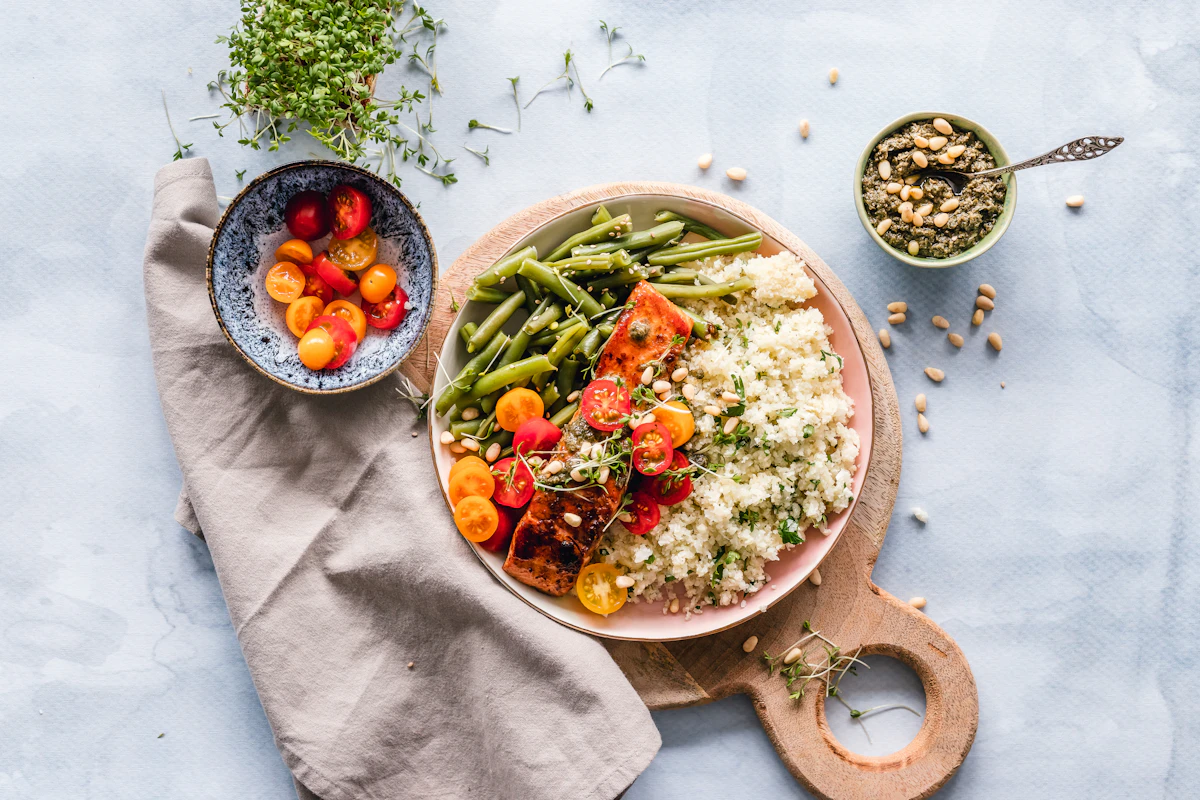
If you are asking what is the Mediterranean diet plan for weight loss, the short answer is this: it is a flexible eating pattern built around vegetables, fruit, beans, lentils, whole grains, nuts, seeds, olive oil, and other minimally processed foods, with moderate amounts of fish, poultry, eggs, and dairy. Red meat, sweets, sugary drinks, and highly processed foods are eaten less often.
It is not a rigid seven-day menu or a guarantee of weight loss. For many people, it can make calorie-conscious eating easier because meals are filling, flavorful, and rich in fiber and protein. Weight change still depends on your overall intake, activity, sleep, medications, health conditions, and how sustainable the plan is for you.
This guide explains how to use a Mediterranean-style approach for weight management without turning it into an overly restrictive diet. If you are considering medical weight-management support, you can also learn about provider-guided care at MetabolixMD after reviewing the basics below.
What is the Mediterranean diet?
The Mediterranean diet is a general pattern inspired by traditional foods and cooking styles from countries around the Mediterranean Sea. There is no single official version. Food choices vary by country, region, culture, budget, and personal preference.
The pattern generally emphasizes:
- Vegetables and fruit, including fresh, frozen, and no-salt-added canned options
- Beans, lentils, chickpeas, and other legumes
- Whole grains such as oats, barley, brown rice, bulgur, and whole-grain bread
- Nuts and seeds in portions that fit your calorie needs
- Extra-virgin or other unsaturated plant oils, especially olive oil
- Fish and seafood regularly, with poultry, eggs, and dairy in moderate amounts
- Less red and processed meat, refined grains, sweets, and sugary beverages
The American Heart Association describes the pattern as one that prioritizes plant foods, whole grains, legumes, nuts, fish, and unsaturated oils while limiting added sugars, sodium, refined carbohydrates, saturated fat, and processed meats. The goal is the overall pattern, not a requirement to eat one specific food at every meal.
How can a Mediterranean diet support weight loss?
A Mediterranean-style plan may support weight loss when it helps you create a calorie deficit you can maintain. It does not make calories irrelevant, and olive oil, nuts, cheese, avocado, and whole grains can still contribute substantial calories. The advantage is that the plan gives you a practical structure for building satisfying meals rather than relying on highly restrictive rules.
Several features can make that structure useful:
- Fiber-rich foods: Vegetables, fruit, legumes, and whole grains can add volume and may help you feel satisfied between meals.
- Protein at meals: Fish, Greek yogurt, eggs, poultry, tofu, beans, and lentils can help make meals more filling. Your ideal protein intake depends on your health and goals.
- More minimally processed choices: Replacing some ultra-processed snacks and sugary drinks with whole or lightly processed foods may reduce calories without requiring a complete menu overhaul.
- Enjoyable flavors: Herbs, spices, garlic, lemon, vinegar, and olive oil can make vegetables and legumes easier to enjoy, which may improve consistency.
- Flexible portions: The pattern can be adjusted to different calorie needs, food preferences, cultures, and budgets.
Research on Mediterranean-style diets has found potential benefits for body weight and cardiometabolic risk, but results vary. A diet can be healthy without producing weight loss for every person. If your weight, blood sugar, blood pressure, or other health markers are changing unexpectedly, discuss that with a qualified clinician rather than making major changes on your own.
What to eat on a Mediterranean diet plan for weight loss
One simple way to begin is to build most meals with a few consistent components:
- Fill about half the plate with non-starchy vegetables. Try leafy greens, tomatoes, peppers, broccoli, zucchini, mushrooms, cucumbers, or roasted vegetables.
- Add a protein source. Choose fish, chicken, eggs, plain Greek yogurt, tofu, beans, or lentils. Select portions that fit your needs.
- Include a high-fiber carbohydrate. Options include beans, lentils, oats, barley, quinoa, potatoes with the skin, fruit, or whole-grain bread.
- Use a measured amount of unsaturated fat. Olive oil, nuts, seeds, or avocado can add flavor and staying power. Measuring higher-calorie fats can be helpful when weight loss is the goal.
- Choose water most often. Coffee and tea can fit, depending on what you add. Sugary drinks and frequent alcohol can make calorie control harder.
You do not need to remove every food that is not traditionally Mediterranean. A sustainable plan can include occasional dessert, a favorite family recipe, or a meal at a restaurant. Frequency, portions, and the overall pattern matter more than perfection.
What foods should you limit?
A Mediterranean diet is not a list of forbidden foods, but weight-loss goals may be harder to reach when certain foods and drinks are frequent or served in large portions. Consider limiting:
- Sugary drinks, sweetened coffee beverages, and frequent desserts
- Processed meats such as bacon, sausage, and hot dogs
- Large portions of red meat or high-fat animal products
- Refined-grain snacks and baked goods that are easy to overeat
- Deep-fried foods and heavily processed convenience meals
- Alcohol, especially if it adds calories or affects sleep, appetite, or medication safety
“Limit” does not mean “never.” If a food restriction makes the plan unsustainable, a qualified dietitian or clinician can help you find realistic substitutions.
One-day Mediterranean-style meal plan
The following is an example of how the pattern might look. It is not a prescription, and portions should be adjusted for your hunger, goals, activity, medical history, and dietary needs.
| Meal | Example |
|---|---|
| Breakfast | Plain Greek yogurt with berries, a small portion of walnuts, and oats or another whole grain |
| Lunch | Lentil and vegetable soup with a side salad, olive-oil-based dressing, and a slice of whole-grain bread |
| Snack | An apple with a small portion of nut butter, or vegetables with hummus |
| Dinner | Baked salmon or beans with roasted vegetables, a modest serving of barley or potatoes, and a lemon-herb dressing |
If you do not eat fish or dairy, you can use beans, lentils, tofu, fortified plant-based alternatives, or other foods that fit your preferences. If you have a food allergy, kidney disease, diabetes, a history of disordered eating, or another medical condition, ask your healthcare professional how to adapt the plan safely.
How to start without changing everything at once
Small changes are often easier to maintain than a complete reset. You might begin with one or two of these steps:
- Add a vegetable or fruit to one meal each day.
- Replace one sugary drink with water or an unsweetened beverage.
- Use beans or lentils in one meal each week, then increase gradually if you enjoy them.
- Choose whole-grain bread, oats, brown rice, or another whole grain more often.
- Plan a protein source and vegetable before deciding on the rest of the meal.
- Measure olive oil, nuts, cheese, and dressings for a week to learn your usual portions.
- Keep convenient options available, such as frozen vegetables, canned beans, tuna, fruit, and plain yogurt.
Track more than the scale. Hunger, energy, sleep, waist measurement, blood pressure, blood sugar, and how consistently you can follow the plan may all provide useful information. Weight can also fluctuate from day to day because of fluid, digestion, hormones, and other factors.
How to make the plan work in real life
A good Mediterranean diet plan has to work outside a perfect kitchen. Start by choosing a few repeatable meals rather than trying to create a new recipe every day. For example, you might keep oats, fruit, plain yogurt, canned beans, frozen vegetables, whole-grain bread, and canned tuna or salmon available. These foods can become quick meals when time is limited.
When eating at a restaurant, look for grilled fish or poultry, beans, vegetables, soup, or a salad with dressing on the side. You can ask for whole grains or a vegetable instead of fries when that option is available. Portion size still matters, even when a meal contains nutritious ingredients. Consider sharing a large entrée or saving part for later if you are comfortable doing so.
Budget can matter too. Frozen vegetables, dried or canned beans, lentils, oats, seasonal produce, and store-brand whole grains can cost less than specialty products. Rinse canned beans if you want to reduce some of the sodium. You do not need imported ingredients or expensive supplements to follow a Mediterranean-style pattern.
Finally, use a nonjudgmental reset after an off-plan meal. One restaurant meal or dessert does not determine your results. Return to your usual pattern at the next meal instead of compensating with extreme restriction or skipping food. If you notice guilt, fear, or loss of control around eating, consider discussing those concerns with a qualified professional.
Is the Mediterranean diet right for everyone?
Many people can adapt this eating pattern, but “healthy” does not mean universally appropriate in the same form. Your needs may be different if you take medication, are pregnant or breastfeeding, have a kidney or gastrointestinal condition, have food allergies, or have a history of disordered eating.
A clinician or registered dietitian can help you decide whether the pattern fits your health goals and how to adjust portions, carbohydrates, protein, sodium, or other nutrients. Do not stop medication or use a restrictive diet to treat a medical condition without professional guidance.
If lifestyle changes alone have not produced the progress you want, that does not mean you have failed. Weight is influenced by biology, medications, sleep, stress, health conditions, and environment. MetabolixMD offers provider-guided weight-management information so eligible adults can learn about possible next steps; treatment decisions require an individualized clinical evaluation.
The bottom line
The Mediterranean diet plan for weight loss is best understood as a flexible pattern, not a strict menu. Build meals around vegetables, fruit, legumes, whole grains, seafood or other lean proteins, and measured portions of healthy fats. Limit sugary drinks and highly processed foods, and choose an approach you can follow consistently.
It may support weight management, but it cannot guarantee a specific amount or rate of weight loss. For a plan tailored to your health history and goals, start with a qualified healthcare professional.
See if provider-guided weight-management care may be right for you
Have questions about your options? Contact MetabolixMD to learn more.
Sources
- American Heart Association: What is the Mediterranean Diet?
- MedlinePlus: Mediterranean diet
- PubMed: PREDIMED-Plus one-year results
- NCBI Bookshelf: Mediterranean Diet
This educational article is not medical advice, diagnosis, or a substitute for care from a qualified professional. Individual treatment and nutrition recommendations depend on your health history and clinical evaluation.
Get guidance for your weight-management goals
Start with a free assessment. A licensed provider reviews your information and discusses care options when appropriate.
See If I Qualify