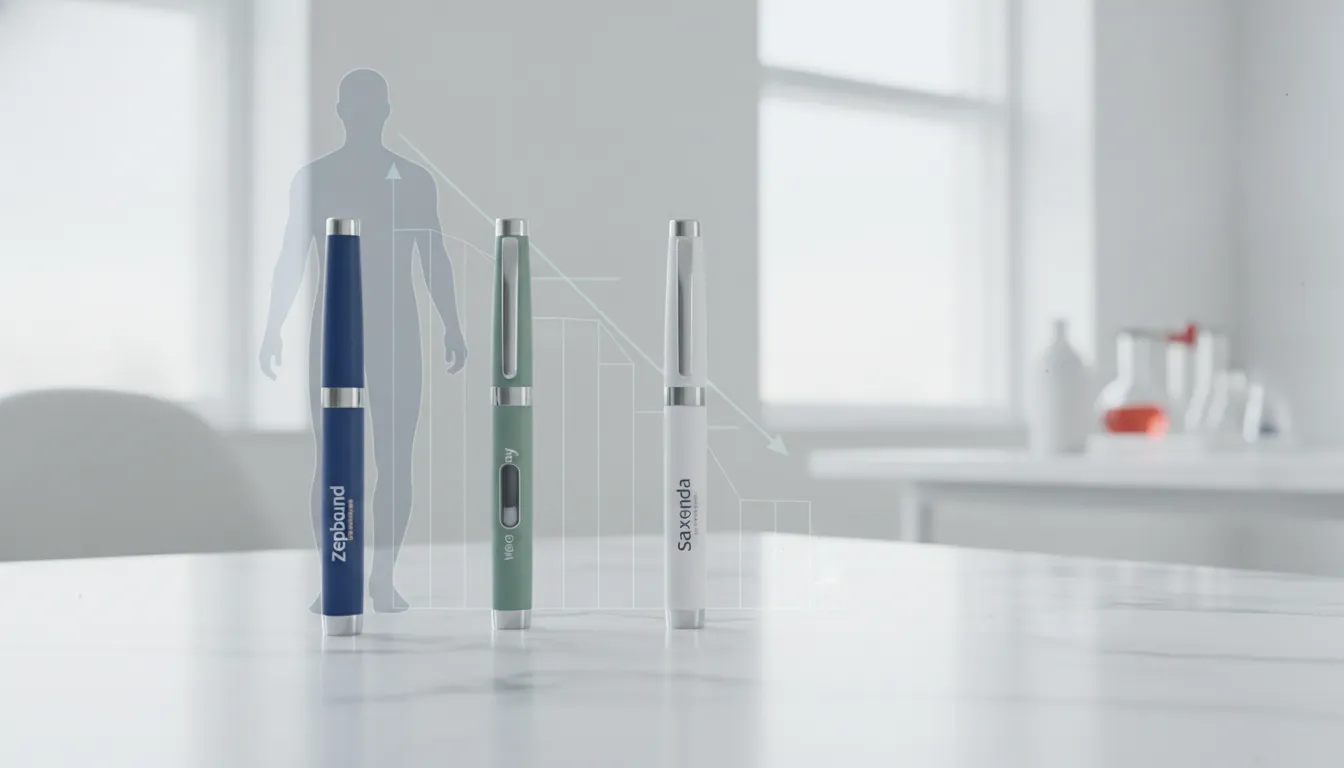
Searching for the best weight loss injections can quickly lead to conflicting claims, dramatic promises, and confusing information about brand names. Ozempic, Mounjaro, Wegovy, Zepbound, Saxenda, and other medications may share ingredients or similar effects, but they do not all have the same FDA-approved uses. Some are approved for diabetes, while others are approved for chronic weight management or specific weight-related conditions. Understanding these differences can help you avoid unsafe products and unrealistic expectations. This guide compares approved options, explains how they work, reviews potential results and risks, and outlines the questions to ask before beginning treatment.
Key Takeaways
- Select treatment with clinical guidance: Zepbound, Wegovy, and Saxenda have different ingredients, dosing schedules, approved uses, and safety considerations. A qualified provider can help identify the option that fits your health history and goals.
- Pair medication with practical habits: Prioritize protein, fiber, hydration, strength training, sleep, and stress support to help protect muscle and maintain healthy routines during treatment.
- Plan for safe, sustainable care: Use a licensed prescriber and pharmacy, confirm total costs and coverage, follow dose instructions, track your response, and report concerning symptoms promptly.
What Are the Best FDA-Approved Weight Loss Injections?
The best FDA-approved weight loss injection depends on your health history, treatment goals, insurance coverage, and response to side effects. Zepbound, Wegovy, and Saxenda are approved for chronic weight management when combined with a reduced-calorie eating plan and regular physical activity. A qualified healthcare provider should review your medical history before prescribing one.
These medications are not interchangeable, even though some affect similar hormones. They contain different active ingredients, follow different dosing schedules, and have separate FDA-approved uses. Clinical trial results can help you compare them, but they do not predict exactly how much weight you will lose. Your results may also depend on your dose, eating pattern, activity level, sleep, health conditions, and how long you continue treatment.
Compare ingredients, approved uses, dosing, and results
Zepbound contains tirzepatide, which activates GIP and GLP-1 receptors. Wegovy contains semaglutide, a GLP-1 receptor agonist, and Saxenda contains liraglutide, another GLP-1 medication. Zepbound and Wegovy are injected once weekly, while Saxenda is injected daily.
In clinical trials, adults taking the highest approved Zepbound dose lost up to 22.5% of their starting body weight over 72 weeks. Adults taking Wegovy lost an average of 14.9% over 68 weeks in the STEP 1 trial. Saxenda produced about 8% average weight loss in clinical research. These trials included lifestyle support and regular follow-up, so the results should be viewed as averages rather than guarantees. The FDA drug database provides current prescribing and approval information.
Zepbound (tirzepatide): weekly GIP and GLP-1 treatment
Zepbound is approved for chronic weight management in adults with obesity, or adults who are overweight and have at least one weight-related condition. It is also approved to treat moderate-to-severe obstructive sleep apnea in adults with obesity, alongside diet and physical activity.
Zepbound is injected once weekly. Treatment generally begins at a low dose, followed by gradual increases based on your response and tolerance. Tirzepatide affects both GIP and GLP-1 pathways, which can influence appetite, food intake, digestion, and blood sugar. In the SURMOUNT-1 trial, participants taking the highest dose lost up to 22.5% of their body weight after 72 weeks. Your provider may keep you at a lower dose if it helps manage hunger with fewer side effects. Review the Zepbound prescribing information for approved uses, dosing, and safety warnings.
Wegovy (semaglutide): weekly GLP-1 treatment
Wegovy is a once-weekly semaglutide injection approved for chronic weight management in eligible adults and certain adolescents. It is also approved to reduce the risk of major cardiovascular events in adults with established cardiovascular disease who have obesity or overweight.
Semaglutide mimics GLP-1, a hormone involved in appetite regulation and digestion. The dose increases gradually, which gives your body time to adjust and allows your provider to monitor symptoms such as nausea, vomiting, constipation, or diarrhea. In the STEP 1 trial, adults taking Wegovy lost an average of 14.9% of their starting body weight over 68 weeks when combined with lifestyle changes. The Wegovy FDA label outlines its approved uses, dosing schedule, and important safety information.
Saxenda (liraglutide): daily GLP-1 treatment
Saxenda contains liraglutide, a GLP-1 receptor agonist taken once daily. It is approved for chronic weight management in adults with obesity or overweight plus a related health condition, and for certain adolescents with obesity.
Because Saxenda requires a daily injection, it may be less convenient than weekly options for people balancing work, workouts, travel, or family responsibilities. Some patients may appreciate the shorter dosing cycle when working with a provider to assess how they tolerate treatment.
Clinical studies found about 8% average weight loss with liraglutide, although individual results varied. Gastrointestinal side effects may occur, particularly during dose increases. Tell your provider if symptoms interfere with eating, hydration, exercise, or daily activities. The Saxenda prescribing information includes dosing instructions, contraindications, and safety warnings.
Ozempic, Mounjaro, and Victoza: diabetes-labeled medications
Ozempic, Mounjaro, and Victoza are FDA-approved to help manage type 2 diabetes, not specifically for chronic weight management. Ozempic contains semaglutide, Mounjaro contains tirzepatide, and Victoza contains liraglutide.
Some of these medications share active ingredients with weight management products, but their approved uses, doses, labeling, and insurance coverage may differ. Zepbound and Mounjaro both contain tirzepatide, while Wegovy and Ozempic both contain semaglutide. Saxenda and Victoza both contain liraglutide.
A provider may prescribe a medication for an off-label use in certain situations. If that happens, ask why it is being recommended, what evidence supports the plan, which dose is appropriate, and how coverage will work. You can verify a medication’s approved labeling through the FDA’s drug information resources.
Compare FDA-approved, compounded, and counterfeit injections
FDA-approved medications undergo review for safety, effectiveness, manufacturing quality, and labeling. They are prescribed for specific medical uses and dispensed through licensed pharmacies.
Compounded medications are prepared by specially regulated pharmacies for individual patients. They do not go through the FDA’s standard approval process. A compounded medication may be considered when an approved product is unavailable or medically unsuitable, but your provider should explain the reason, source, ingredients, concentration, storage requirements, and potential risks.
Counterfeit injections are different from compounded medications. They may contain the wrong ingredient, an incorrect dose, harmful contaminants, or no active medication. Avoid products sold through social media, informal marketplaces, or websites that do not require a prescription. The FDA provides information about counterfeit and fraudulent GLP-1 products.
Use a licensed prescriber and a state-licensed pharmacy. Check that the medication name, label, packaging, storage instructions, and dose match your prescription. Never share an injection or switch products without clinical guidance.
How Do the Best Weight Loss Injections Work?
Weight loss injections work by imitating or activating hormones involved in appetite, digestion, and blood sugar control. The most commonly discussed options include Zepbound (tirzepatide), Wegovy (semaglutide), and Saxenda (liraglutide). Each medication works differently, so the choice depends on your health history, treatment goals, side effects, other medications, and access to care.
These medications do not remove the need for nutritious food, movement, sleep, or medical follow-up. Instead, they can make those habits easier to maintain by changing hunger signals and helping you feel satisfied with less food. Your provider may also adjust your dose over time to balance results with tolerability.
How GLP-1 and GIP affect appetite, fullness, and food intake
GLP-1 is a hormone released after you eat. It helps communicate fullness to the brain and plays a role in appetite and blood sugar regulation. GLP-1 medications, including semaglutide and liraglutide, imitate some of the hormone’s effects. You may feel less hungry, notice fewer cravings, or feel satisfied after eating a smaller portion. This can make it easier to follow a consistent eating pattern without feeling preoccupied with food.
Tirzepatide, the active ingredient in Zepbound, works on both GLP-1 and GIP receptors. GIP is another hormone involved in metabolism and the body’s response to food. The combined action may help reduce appetite and food intake, and clinical research has found greater average weight loss with tirzepatide than with some other medications. Individual results still vary, and a medication’s effect depends on the dose, length of treatment, health conditions, and daily habits. The FDA prescribing information for Zepbound explains its approved uses and mechanism.
How injections affect digestion, gastric emptying, and blood sugar
GLP-1 and GIP medications can slow gastric emptying, which means food may move from the stomach into the small intestine more slowly. This effect can extend feelings of fullness after a meal. These medications also support blood sugar regulation by helping the body release insulin when blood sugar is elevated and reducing glucagon, a hormone that can raise blood sugar.
The same digestive effects may cause nausea, early fullness, constipation, diarrhea, abdominal discomfort, or vomiting. Symptoms are often more noticeable when you first start treatment or after a dose increase. Eating slowly, choosing smaller meals, and drinking enough fluids may help. Tell your provider about severe or persistent symptoms, especially if you cannot keep fluids down or have significant abdominal pain. You should also discuss a history of gastrointestinal disease or any planned procedure requiring anesthesia. The FDA medication guide for Wegovy includes important information about delayed gastric emptying and related precautions.
How tirzepatide differs from semaglutide and liraglutide
Zepbound contains tirzepatide, which activates both GIP and GLP-1 receptors. Wegovy contains semaglutide, which activates the GLP-1 receptor. Saxenda contains liraglutide, another GLP-1 medication. Because the active ingredients, dosing schedules, and approved uses differ, these treatments should not be considered interchangeable.
Zepbound and Wegovy are injected once a week. Saxenda is injected once a day. In clinical trials, tirzepatide produced greater average weight loss than semaglutide in some comparisons, but trial results do not predict exactly what one person will experience. Your provider may consider obesity-related health conditions, diabetes medications, cardiovascular risk, side effects, pregnancy plans, insurance coverage, and your preference for weekly or daily treatment. The FDA prescribing information for Saxenda provides product-specific dosing and safety details.
Understand starting doses, titration, maintenance, and timelines
Weight loss injections usually begin at a low dose, followed by gradual increases called titration. This gives your body time to adjust and may reduce digestive side effects. Each medication has its own schedule. For example, tirzepatide and semaglutide are increased at intervals of several weeks, while liraglutide follows a daily dose-escalation plan. Use the schedule prescribed for you, rather than following advice from another patient or online source.
Weight changes typically develop over several months. Some people notice reduced appetite early, while measurable changes in weight, waist circumference, or health markers may take longer. The maintenance dose is not automatically the highest dose. Your provider may keep you at a lower dose if it provides meaningful results with fewer side effects. Do not increase the dose sooner than instructed, take extra medication, or change products without medical guidance. The official Wegovy dosing schedule and your pharmacist can clarify product-specific instructions.
Use proper injection technique and manage missed doses
Obtain these medications through a licensed prescriber and a legitimate pharmacy. Before your first dose, your care team should show you how to check the pen or syringe, select and clean an injection site, administer the medication, and dispose of needles safely. Depending on the product, injection sites may include the abdomen, thigh, or upper arm. Rotate sites to limit irritation, and never share pens, needles, or syringes, even if a needle is replaced.
Missed-dose instructions vary. Some medications allow you to take a missed dose within a specific window, while others require you to skip it and resume your usual schedule. Check the medication guide for your exact product, or ask your provider or pharmacist if you are unsure. Never take two doses together to make up for a missed injection. If you miss multiple doses, contact your care team before restarting. You may need to return to a lower dose to reduce the risk of side effects.
How Effective Are the Best Weight Loss Injections?
Weight loss injections can lead to significant results, but there is no single option that works best for everyone. In clinical trials, average weight loss with approved medications has ranged from about 5% to 21%, depending on the medication, dose, treatment length, participant health, and lifestyle support.
Clinical results are useful for comparing treatments, but they cannot predict exactly how your body will respond. Your outcome may differ based on your medical history, appetite, sleep, activity level, other medications, side effects, and ability to continue treatment.
Your provider may also look beyond the number on the scale. Improvements in blood sugar, blood pressure, cholesterol, mobility, sleep apnea, waist measurement, and quality of life can all indicate that treatment is helping.
Understand what clinical trial weight-loss percentages measure
A weight-loss percentage shows how much of a participant’s starting body weight they lost. For example, someone weighing 200 pounds who loses 10% of their body weight loses 20 pounds. Percentages make it easier to compare participants who began at different weights.
Studies usually report an average, so some people lose more than the published figure and others lose less. Researchers may also report responder rates, such as the percentage of participants who lost at least 5%, 10%, 15%, or 20% of their starting weight.
Treatment length matters when comparing results. A 68-week study should not be compared directly with a 12-week result. Participants also typically receive nutrition advice, movement recommendations, regular check-ins, and gradual dose increases. According to the Obesity Medicine Association, clinicians may consider another treatment if a patient loses less than 5% of body weight after 12 to 16 weeks at the highest tolerated dose.
Review average weight loss in SURMOUNT-1
SURMOUNT-1 studied tirzepatide, the active ingredient in Zepbound, in adults with obesity or overweight who did not have diabetes. Participants received one of three tirzepatide doses or a placebo for 72 weeks, along with lifestyle counseling.
Average weight loss ranged from about 15% with the lowest studied dose to 20.9% with the highest dose. Among participants who completed treatment, the highest-dose group lost an average of nearly 22.5% of their starting weight. Many participants also reached weight-loss milestones of 15% or more.
These findings helped establish tirzepatide as one of the most effective approved medication options for weight management. However, the study did not include every type of patient. People with type 2 diabetes, other health conditions, or difficulty tolerating dose increases may see different results. You can review the SURMOUNT-1 trial findings for additional details.
Review average weight loss in STEP 1
The STEP 1 trial evaluated semaglutide, the active ingredient in Wegovy, in adults with overweight or obesity who did not have diabetes. Participants used a weekly 2.4-milligram dose alongside lifestyle counseling for 68 weeks.
Participants receiving semaglutide lost an average of 14.9% of their starting body weight, compared with 2.4% in the placebo group. About one-third of participants lost at least 20% of their starting weight. These results helped establish Wegovy as an important treatment option for people who need more support than lifestyle changes alone.
The study included regular guidance on eating and physical activity. Results may differ for people with diabetes, those taking other medications, or those who cannot reach or maintain the full dose. The STEP 1 publication provides the study methods and outcome details.
Review average weight loss in SCALE
SCALE trials evaluated liraglutide, the active ingredient in Saxenda. Unlike Zepbound and Wegovy, Saxenda is taken once daily. In a major 56-week study, adults with obesity or overweight and related health concerns lost an average of about 8% of their starting body weight with liraglutide and lifestyle counseling.
The placebo group lost about 2.6% on average. More participants taking liraglutide reached at least 5% and 10% weight loss than those taking placebo. These average results are lower than those reported in longer studies of higher-dose semaglutide or tirzepatide, but the medications were not tested under identical conditions.
Saxenda may still suit someone who cannot tolerate another medication or whose insurance covers it more reliably. The SCALE trial results offer useful context when comparing daily liraglutide with weekly injections.
Compare Zepbound and Wegovy in SURMOUNT-5
SURMOUNT-5 directly compared tirzepatide with semaglutide in adults with obesity who did not have diabetes. A head-to-head study offers a clearer comparison than placing results from separate trials side by side.
After 72 weeks, participants taking tirzepatide lost an average of 20.2% of their body weight, compared with 13.7% among those taking semaglutide. These findings suggest that Zepbound may produce greater average weight loss for some patients.
That difference does not make Zepbound the right choice for everyone. The medications have different mechanisms, dose schedules, side-effect patterns, costs, and insurance requirements. Your provider can help interpret the SURMOUNT-5 findings based on your health history and treatment goals.
Compare pounds lost, percentage loss, and responder rates
Pounds lost can be easy to picture, but percentages provide a fairer comparison across different starting weights. Someone who loses 30 pounds from 300 pounds has lost 10% of their body weight. Someone who loses 20 pounds from 160 pounds has lost 12.5%, even though the first person lost more pounds.
Responder rates add another useful perspective. In clinical trials, about 91% of participants taking tirzepatide lost at least 5% of their body weight, while fewer reached higher milestones. This means a medication can help many people achieve moderate weight loss while helping a smaller group lose 15% or 20% or more.
Ask your provider which measure best fits your situation. Blood sugar, blood pressure, sleep quality, mobility, waist measurement, fitness, and quality of life may improve before you reach a specific scale goal.
Compare trials by dose, duration, diabetes status, and lifestyle support
Clinical trial results are not interchangeable. Studies may use different doses, last for different lengths of time, or include participants with different health conditions. People with type 2 diabetes often lose less weight on average than people without diabetes, although individual responses vary.
Lifestyle support also affects results. Trial participants usually receive guidance on nutrition, physical activity, and behavior changes, along with regular appointments. Real-world care may provide more or less support. Missed doses, side effects, cost, supply problems, and difficulty reaching the maintenance dose can also affect progress.
For a fair comparison, review the medication, dose, study duration, participant group, placebo results, and follow-up plan together. The FDA medication database includes official prescribing information, approved doses, and labeled uses.
Review cardiovascular and obstructive sleep apnea outcomes
Weight loss is only one way to assess these medications. Wegovy has an FDA-approved cardiovascular indication for reducing the risk of cardiovascular death, heart attack, and stroke in certain adults with cardiovascular disease and overweight or obesity. This benefit applies to specific patients and does not mean every person taking Wegovy has the same level of protection.
Zepbound also has an FDA-approved indication for moderate to severe obstructive sleep apnea in adults with obesity, alongside reduced-calorie eating and increased physical activity. Clinical studies found that participants experienced improvements in sleep apnea severity as they lost weight.
These indications may influence treatment decisions for someone with cardiovascular disease or obstructive sleep apnea. Review the FDA prescribing information for Wegovy and the FDA announcement about Zepbound and sleep apnea with a qualified provider.
Understand why individual results vary
Two people can take the same medication and have very different results. Genetics, sleep, stress, food preferences, activity levels, insulin resistance, other medications, and medical conditions can all affect appetite and weight change. Dose tolerance matters, too. Some people cannot increase their dose because nausea or other gastrointestinal symptoms become difficult to manage.
Weight loss may slow after the first several months. Early changes can include reduced appetite, lower food intake, and shifts in fluid balance. Later progress may become more gradual as the body adapts. A plateau does not always mean the medication has stopped helping.
Weight regain is common after treatment stops, especially without a maintenance plan. In the STEP 1 extension study, participants regained a substantial portion of the weight they had lost after semaglutide was discontinued. Speak with your provider before stopping, switching, or changing doses so you can plan for changes in appetite and ongoing weight management.
Who May Qualify for the Best Weight Loss Injections?
Weight loss injections are prescription treatments, so eligibility involves more than wanting to lose a few pounds. A healthcare provider will consider your BMI, health history, current medications, previous weight-loss efforts, and treatment goals. They may also review your blood pressure, blood sugar, cholesterol, sleep quality, and other signs of metabolic health.
The right medication depends on your medical needs and the specific product’s approved uses. Meeting general eligibility criteria does not guarantee that a provider will prescribe an injection or that your insurance will cover it. A licensed clinician can assess whether treatment is appropriate, explain the potential benefits and risks, and create a monitoring plan that fits your health and daily routine.
Meet adult BMI criteria: 30 or higher, or 27 or higher with a related condition
Weight loss medication is generally considered for adults with a BMI of 30 or higher. Adults with a BMI of 27 or higher may also qualify if they have at least one weight-related condition, such as type 2 diabetes, high blood pressure, abnormal cholesterol, or obstructive sleep apnea. The Obesity Medicine Association outlines these commonly used criteria.
BMI is a screening measure, not a complete picture of health. It does not distinguish muscle from fat or show where body fat is stored. Your provider may also review your waist measurement, blood pressure, lab results, symptoms, and weight history before recommending treatment.
Review age-specific approvals for Zepbound, Wegovy, and Saxenda
Age requirements vary between medications. Zepbound is approved for chronic weight management in eligible adults. Wegovy and Saxenda are approved for certain adults and adolescents age 12 and older who meet the medications’ requirements. Your provider should confirm the current prescribing information because approved uses can change as regulators review new evidence.
For children and teenagers, an evaluation should account for growth, development, eating patterns, mental health, and family support. A pediatric specialist may recommend medication alongside nutrition counseling, physical activity, and regular monitoring. Never share an adult prescription with a child or teenager.
Identify health conditions that may support eligibility
A weight-related condition can affect whether you qualify for treatment and which medication may be most suitable. Examples include type 2 diabetes, high blood pressure, high cholesterol, obstructive sleep apnea, and polycystic ovary syndrome (PCOS). Treating these concerns may be part of the reason a provider recommends medical weight management.
Share symptoms even if they seem unrelated to your weight. Snoring, daytime fatigue, irregular periods, increased thirst, or a history of elevated blood pressure may point to health issues that need attention. A provider may order blood tests or recommend additional screening before prescribing an injection. PCOS and weight management can require individualized care, especially when fertility is also a goal.
Consider BMI, body composition, and overall health
BMI provides a starting point, but it does not tell the whole story. Someone who lifts weights may have a higher BMI because of muscle mass, while another person with a lower BMI may carry more fat around the waist. Providers may consider body composition, waist circumference, blood pressure, glucose, cholesterol, liver health, and fitness level.
Your overall health also affects whether an injection is safe and practical. Your provider may ask whether you can follow the dose schedule, attend follow-up visits, stay hydrated, and report side effects promptly. Treatment often works best alongside nutrition support, resistance training, sleep improvements, and regular monitoring.
Review past weight-loss efforts and treatment goals
Your provider may ask what you have tried, how long you followed each approach, and what made it difficult to continue. Previous efforts may include nutrition changes, exercise programs, behavioral therapy, structured weight-management plans, or treatment for an underlying condition. This information helps the provider understand what support you need now.
Your goals matter, too. You may want to improve blood sugar, reduce sleep apnea symptoms, make movement easier, or reach a healthier weight before pregnancy. Weight management is not only about a number on the scale. Clear goals help you and your provider measure changes in appetite, energy, mobility, health markers, and quality of life.
Share your medical history, medications, and baseline screening results
Before prescribing treatment, your provider should review your medical history and current medications. Mention any history of pancreatitis, gallbladder disease, kidney problems, severe gastrointestinal symptoms, diabetes-related eye disease, thyroid cancer, or multiple endocrine neoplasia type 2 (MEN2). Include prescription medications, over-the-counter products, vitamins, and supplements.
Baseline checks may include weight, BMI, waist measurement, blood pressure, blood glucose or A1C, cholesterol, kidney function, and liver function. The exact tests depend on your health history. If you use insulin or another medication that affects blood sugar, your plan may require closer monitoring to reduce the risk of hypoglycemia. Bring an updated medication list to every appointment.
Separate FDA eligibility from insurance approval
Medical eligibility and insurance coverage are separate decisions. An insurer may limit coverage based on your diagnosis, plan design, employer benefits, or the medication prescribed. Many plans require prior authorization, while some exclude weight-management medications altogether. The Obesity Medicine Association explains common coverage and authorization issues.
Before filling a prescription, ask your insurer or provider’s office to confirm the medication, dose, diagnosis requirements, deductible, copay, and refill rules. If coverage is denied, ask about an appeal, manufacturer savings programs, or legitimate cash-pay options. Include the cost of appointments, lab work, shipping, memberships, and follow-up care when comparing options.
Identify when another treatment may be safer
Some people should avoid certain weight loss injections or may need a different treatment plan. These medications are generally not used during pregnancy, and some are not recommended while breastfeeding. Tell your provider if you are pregnant, trying to conceive, breastfeeding, or planning fertility treatment so you can discuss safer alternatives and timing.
A personal or family history of medullary thyroid carcinoma or MEN2 may make some GLP-1 or GIP-based medications unsuitable. A history of pancreatitis, severe gastrointestinal disease, gallbladder problems, or certain kidney conditions may also require caution. The FDA prescribing information for Wegovy lists important contraindications and warnings. Never start, stop, combine, or switch injections without guidance from a qualified healthcare provider.
Safety and Side Effects of the Best Weight Loss Injections
Weight loss injections can support meaningful health improvements, but they are prescription medications that require medical supervision. Zepbound, Wegovy, and Saxenda affect appetite, digestion, and blood sugar, so side effects are most common when treatment begins or the dose increases. A gradual titration schedule can give your body time to adjust.
Before starting treatment, share your full medical history, current medications, allergies, and any history of pancreatitis, gallbladder disease, kidney problems, thyroid cancer, or gastrointestinal conditions. Your provider can review the medication’s risks and benefits, then create a monitoring plan based on your health goals. The FDA prescribing information for Wegovy outlines important warnings, contraindications, and precautions.
Manage nausea, vomiting, diarrhea, constipation, and abdominal discomfort
Nausea is one of the most common side effects of GLP-1 and GIP medications. Vomiting, diarrhea, constipation, bloating, and abdominal discomfort can also occur, particularly during dose escalation. These symptoms may improve as your body adjusts, but severe or persistent symptoms need medical attention.
Eating smaller meals, slowing down while eating, and limiting greasy or very rich foods may help. Sip fluids regularly, and add fiber gradually if constipation develops. Your provider may recommend other strategies or treatments, depending on your symptoms and medical history.
Do not increase your dose early, take extra medication, or change your injection schedule without medical guidance. Ongoing vomiting or diarrhea can cause dehydration and place stress on the kidneys. Contact your care team if you cannot keep fluids down, have very little urine, or develop worsening abdominal pain. The Obesity Medicine Association’s medication guidance offers additional information about common side effects and safety considerations.
Recognize headaches, fatigue, injection-site reactions, and dehydration
Headaches and fatigue may occur as your appetite, food intake, and hydration change. Try to maintain regular meals and drink enough fluid for your needs. If you have kidney, heart, or another medical condition that affects fluid intake, ask your provider how much you should drink.
Redness, itching, swelling, tenderness, or bruising can develop at the injection site. These reactions are generally mild and often resolve without treatment. Rotate injection sites, follow the product instructions, and avoid injecting into skin that is irritated, bruised, scarred, or tender.
Watch for dehydration symptoms such as dizziness, dry mouth, dark urine, unusual weakness, or reduced urination. Persistent or severe fatigue may also signal inadequate nutrition, dehydration, or another health issue. Tell your provider if these symptoms interfere with work, exercise, childcare, or daily activities.
Identify pancreatitis, gallbladder disease, kidney injury, and severe gastrointestinal symptoms
Rare but serious complications can include pancreatitis, gallbladder disease, kidney injury, and severe gastrointestinal reactions. Rapid weight loss may also increase the risk of gallstones for some people. Your medical history, symptoms, and treatment response will help your provider decide whether the medication remains appropriate.
Seek prompt medical advice for severe or persistent abdominal pain, especially pain that spreads to the back or occurs with repeated vomiting. These symptoms may indicate pancreatitis. Pain in the upper right abdomen, fever, yellowing of the skin or eyes, or unusually pale stools may suggest a gallbladder problem.
Vomiting and diarrhea can lead to dehydration and reduced kidney function. Contact your provider if you are unable to drink, urinate much less than usual, or feel faint. If you miss a dose, follow the instructions for your specific medication. Do not take an extra dose to make up for it, and do not stop or restart treatment without clinical guidance.
Understand the boxed thyroid tumor warning, MTC, and MEN2
Some weight loss injections carry a boxed warning about thyroid C-cell tumors. This warning is based on findings in animal studies, and it is not known whether these medications cause this type of tumor in humans. Even so, the risk should be reviewed before treatment begins.
Zepbound, Wegovy, and Saxenda should not be used by people with a personal or family history of medullary thyroid carcinoma, or MTC, or by people with multiple endocrine neoplasia syndrome type 2, also called MEN2. Tell your provider if either condition appears in your family history, even if you are unsure whether it affects your eligibility.
Report a neck lump, swelling, persistent hoarseness, trouble swallowing, or difficulty breathing. These symptoms can have many causes, but they require medical evaluation. Routine thyroid screening is not automatically needed for everyone taking these medications. Ask your provider whether your personal or family history calls for additional testing.
Monitor hypoglycemia, diabetic retinopathy, and medication interactions
The risk of low blood sugar, or hypoglycemia, may increase when a weight loss injection is used with insulin or certain diabetes medications, including sulfonylureas. Symptoms may include sweating, shakiness, hunger, confusion, dizziness, irritability, and a fast heartbeat. Your prescriber may adjust your other medications and explain when to check your blood glucose.
People with diabetes should also discuss diabetic retinopathy before starting treatment. Rapid improvements in blood sugar can sometimes be associated with temporary changes in retinopathy, particularly in people who already have eye disease. Report blurred vision, new floaters, or other vision changes promptly.
Give your provider a complete list of prescriptions, over-the-counter medications, supplements, and herbal products. Some weight loss injections slow gastric emptying, which may affect the absorption of certain oral medications. A careful medication review, such as the safety review described by the FDA, can help identify interactions and monitoring needs.
Review pregnancy, breastfeeding, contraception, and fertility plans
Weight loss medications are not approved for use during pregnancy, and intentional weight loss is generally not recommended while pregnant. Tell your provider if you are pregnant, trying to conceive, or think you may be pregnant. If pregnancy occurs during treatment, contact your prescribing clinician promptly for individualized advice.
Discuss breastfeeding before starting or continuing treatment. The safety of these medications for a nursing infant may not be established, so your provider can help you weigh treatment timing against your health needs and feeding plans.
If you use oral birth control, ask whether your medication and dose schedule could affect its reliability. Tirzepatide can affect oral contraceptive absorption when treatment begins and after dose increases. The Zepbound prescribing information recommends discussing alternative or additional contraception during those periods.
Your provider can also review fertility goals, contraception, and plans for pregnancy so you have a clear treatment timeline.
Plan for surgery, anesthesia, and delayed gastric emptying
These medications can slow gastric emptying, which may affect how quickly food and oral medications move through the digestive system. This matters during sedation or general anesthesia because food or liquid may remain in the stomach and increase the risk of aspiration.
Tell your surgeon, anesthesiologist, dentist, and other healthcare professionals that you use a weight loss injection. Share the medication name, dose, and date of your last injection before a planned procedure. Include the medication in your preoperative paperwork and medication list.
Do not decide on your own when to stop or restart treatment. The plan depends on the medication, dose, procedure, anesthesia type, digestive symptoms, and other risk factors. Current American Gastroenterological Association guidance supports an individualized assessment rather than automatically stopping every medication before every procedure.
Address mental health, disordered eating, and body-image concerns
Weight loss treatment should support your physical and mental health, not intensify shame, anxiety, or restrictive eating. Tell your provider if you have a history of anorexia, bulimia, binge eating, compulsive exercise, depression, anxiety, or distress related to body image. These concerns do not automatically rule out medication, but they should be part of your care plan.
A sharp drop in appetite may make it difficult to eat enough protein, fiber, and other nutrients. A registered dietitian can help you plan balanced meals that support energy and muscle. A therapist can help address emotional eating, stress, or negative body-image patterns.
Pay attention to how treatment affects your mood, sleep, relationships, workouts, and daily functioning, not only your weight. If you develop severe mood changes, thoughts of self-harm, or feel unable to control your eating, seek immediate support and tell your care team.
Recognize warning signs that need prompt medical care
Contact your healthcare provider promptly if you develop severe or persistent abdominal pain, repeated vomiting, ongoing diarrhea, signs of dehydration, or pain that travels to your back. These symptoms may signal pancreatitis, gallbladder disease, or another complication that needs assessment.
Get urgent medical help for trouble breathing, swelling of the face or throat, fainting, severe confusion, or other symptoms of a serious allergic reaction. If you have diabetes, follow your hypoglycemia care plan and seek help if low blood sugar symptoms do not improve.
New vision changes, a neck lump, trouble swallowing, yellowing skin, very little urine, or an inability to keep fluids down also warrant prompt medical attention. Keep your prescribing clinic’s contact information available, and bring a current medication list to urgent care or emergency visits.
Cost, Insurance, and Safe Access to the Best Weight Loss Injections
The cost of weight loss injections involves more than the price printed on a medication page. Your total monthly expense may include the prescription, medical appointments, laboratory tests, injection supplies, shipping, memberships, and follow-up care. Insurance may lower your cost, but coverage depends on your plan, diagnosis, employer benefits, medication, and eligibility requirements.
Before starting treatment, ask your prescriber or telehealth clinic for a written estimate. It should separate medication costs from clinical fees and explain which services are included. This makes it easier to compare treatment options and avoid programs that advertise a low starting price but add unexpected charges later.
Cost should also be considered alongside safety. A qualified prescriber can review your health history, medications, and treatment goals before recommending an FDA-approved option. If a medication is too expensive or unavailable, your care team can discuss appropriate alternatives instead of leaving you to find an unverified product on your own.
Compare list price, cash price, and total monthly costs
A medication’s list price is not necessarily the amount you will pay. Your cash price may vary based on the manufacturer’s savings program, pharmacy, location, prescribed dose, and insurance status. Some patients pay a copay, while others pay the full cash price because their plan excludes weight management medications or denies coverage.
Ask the pharmacy for the price of each dose you may use during treatment. Then add recurring expenses such as appointments, laboratory work, supplies, and delivery. The Obesity Medicine Association’s overview of weight loss medications provides useful context about prescription treatment and medication costs.
When comparing clinics, ask whether the quoted amount covers the medication only or includes medical supervision. A lower medication price may not be the better value if the program charges separately for every follow-up visit, lab order, refill request, or shipping service.
Understand how dose, pharmacy, location, supply, and availability affect price
Weight loss injections usually start at a lower dose and increase gradually under clinical supervision. A higher maintenance dose may cost more, although prices do not always increase in a predictable pattern. Pharmacies may also quote different cash prices for the same medication and strength.
Your location, pharmacy contracts, inventory, insurance rules, and medication supply can all affect the amount you pay. Call more than one licensed pharmacy and confirm that the quote applies to your prescribed dose and quantity. Ask how long the price is valid and whether the pharmacy has the medication in stock.
Do not skip doses, delay treatment, or switch to a different product because it costs less. Discuss affordability with your prescriber first. They may be able to review a savings option, adjust the treatment plan appropriately, or help you identify a legitimate pharmacy with better availability.
Check insurance coverage, prior authorization, and plan exclusions
Insurance coverage varies between employers, individual plans, and government programs. Some policies cover weight loss injections only when you meet specific body mass index criteria or have a related health condition. Others require prior authorization, which means your prescriber must submit medical information before the insurer decides whether to cover the medication.
Review your plan’s formulary, exclusions, deductible, copay, coinsurance, and annual limits. Ask whether the plan covers weight management medications specifically, whether coverage continues after weight loss, and whether you must meet progress requirements for refills.
The National Association of Insurance Commissioners’ health insurance guidance explains common insurance terms and plan features. Your insurer, benefits administrator, and pharmacist can provide the most accurate information about your specific policy. Ask for the answer in writing when possible, since phone conversations can be difficult to reference later.
Use manufacturer savings cards and patient assistance programs
Medication manufacturers may offer savings cards for eligible patients with commercial insurance. Some also provide patient assistance programs for people who meet income, insurance, or prescription requirements. Eligibility rules may exclude patients with Medicare, Medicaid, or other government-sponsored coverage, so read the current terms carefully.
Ask your prescriber or pharmacist whether a savings program applies to your medication, dose, and insurance type. Confirm whether it reduces your copay, applies to your deductible, or has a maximum savings amount. Some programs work only at participating pharmacies and may require renewal after a set period.
Use the manufacturer’s official website when applying. Avoid pages that promise guaranteed approval or request extensive financial information without clearly identifying the sponsoring company. Keep a copy of the enrollment terms and note when the program expires so you can plan for future costs.
Consider prescription discount cards and other out-of-pocket options
Prescription discount cards may reduce the cash price at participating pharmacies. They are not health insurance, and a discount card purchase may not count toward your deductible or annual out-of-pocket maximum. Before paying, compare the discount price with your insurance price and ask which option the pharmacy is applying.
You can also ask whether the pharmacy offers a lower cash rate or whether a longer supply is available when medically appropriate. Do not purchase injections from social media sellers, informal marketplaces, or individuals offering medication outside a licensed pharmacy.
The FDA’s BeSafeRx program explains how to assess online pharmacies. A legitimate pharmacy should require a prescription, provide pharmacist contact information, and clearly display its licensing information. A very low price is not worthwhile if the product may be counterfeit, contaminated, or improperly stored.
Account for telehealth visits, lab work, memberships, shipping, and follow-up fees
Telehealth appointments can make care more convenient, but the consultation may not include the medication. Some services charge an initial evaluation fee, a monthly membership, or separate fees for follow-up visits. Laboratory testing, shipping, supplies, prescription transfers, and refill requests may also cost extra.
Before enrolling, request a complete fee schedule. Ask how often follow-up visits occur, which lab tests are required, whether urgent questions have an additional fee, and what happens if the medication is unavailable. Find out whether the clinic coordinates with your insurance or expects you to pay the pharmacy directly.
A responsible program should explain who evaluates you, how dose changes are approved, how side effects are managed, and how you can reach the care team. Be cautious if a service promises medication without a meaningful medical evaluation or makes it difficult to identify the prescribing clinician.
Choose licensed prescribers and legitimate pharmacies
A safe treatment plan starts with a medical evaluation, not a questionnaire that guarantees medication. Your prescriber should confirm your identity, review your health conditions and medications, discuss potential risks, and explain follow-up care. For telehealth appointments, verify that the clinician is licensed to practice where you are located during the visit.
Use a state-licensed pharmacy that provides a prescription label, pharmacist contact information, and clear storage and shipping instructions. You should know the medication name, strength, directions, expiration date, and what to do if the package arrives warm or damaged.
The FDA’s online pharmacy safety guidance lists warning signs to watch for, including pharmacies that sell prescription medication without a prescription or hide their physical address. If you cannot verify the prescriber or pharmacy, do not provide payment or personal health information.
Understand compounded medications, FDA approval, and quality
Compounded medications are prepared by a pharmacy for specific patient needs. The FDA does not review compounded drugs for safety, effectiveness, or quality before they are dispensed in the same way it reviews FDA-approved medications. A compounded product may be considered in certain circumstances, but the decision should involve a licensed prescriber and pharmacist.
Ask which pharmacy prepares the medication, which active ingredient it contains, how the product is labeled, and how it should be stored. Confirm the concentration and measuring instructions, since compounded products may use different strengths or delivery devices. Never assume that a compounded injection is interchangeable with an FDA-approved medication.
The FDA’s information about compounded drugs explains the limits of FDA oversight. If a product has unclear ingredients, unusual dosing instructions, missing pharmacy information, or labeling that does not match your prescription, contact your prescriber or pharmacist before using it.
Avoid counterfeit injections and unsafe online sources
Counterfeit injections may contain the wrong ingredient, an incorrect strength, contaminants, or no active medication. Warning signs include an unusually low price, spelling errors on the package, missing lot numbers, broken seals, unfamiliar labels, or a seller that does not require a prescription. Medication shipped without appropriate temperature controls may also lose quality before it arrives.
Purchase injections only from a licensed pharmacy recommended by your prescriber or verified through an official regulatory resource. Do not use a product if the package looks damaged, the liquid appears unusual, or the label does not match your prescription. Contact a pharmacist before using any medication that seems different from what you ordered.
If you suspect a counterfeit product or develop a serious reaction, seek medical advice promptly. You can report suspected medication problems through the FDA’s MedWatch safety reporting program. Keep the packaging and receipt if possible, since those details may help with an investigation.
Confirm coverage and total costs before starting
Before taking your first dose, ask your prescriber and insurer to confirm the medication, dose, coverage requirements, and expected out-of-pocket amount. Request the pharmacy’s price for both the starting dose and likely maintenance dose, since your cost may change as treatment progresses.
Ask what happens if prior authorization is denied, your insurance changes, or the medication is temporarily unavailable. Confirm whether the clinic offers an alternative pharmacy, how prescription transfers work, and whether a new consultation fee applies if your treatment plan changes.
Keep records of prior authorization decisions, savings program terms, receipts, laboratory results, and follow-up instructions. Review your costs again if your dose, insurance, pharmacy, or treatment program changes. A clear plan helps you stay consistent with care and gives your healthcare team time to discuss safe options if the original medication is not affordable.
How Do You Choose the Best Weight Loss Injection?
There is no single weight loss injection that works best for everyone. The right choice depends on your medical history, treatment goals, current medications, side effect concerns, insurance coverage, pharmacy access, and individual response. A medication that works well for one person may be unsuitable, unavailable, or too expensive for someone else.
Use clinical evidence and FDA-approved information to compare options, rather than relying on rankings or promotional claims. Your provider can help you weigh expected benefits against safety concerns, dosing requirements, cost, and how easily each treatment fits into your routine.
Compare evidence and FDA-labeled benefits instead of rankings
Start by comparing each medication’s active ingredient, FDA-approved uses, dosing schedule, clinical trial results, and safety information. Zepbound, Wegovy, and Saxenda are approved for chronic weight management in specific patients, but they differ in how they work, how often they are taken, and which additional health benefits apply.
Clinical trial results can show average outcomes, but they cannot predict exactly how much weight you will lose. Study participants may also differ from you in age, health status, starting weight, diabetes status, dose, and lifestyle support. Review the medication’s official prescribing information with your provider, who can explain how the evidence relates to your situation.
Match treatment benefits to cardiovascular, sleep, and metabolic goals
Weight loss may be one of several reasons you are considering treatment. You may also want to improve blood sugar, blood pressure, cholesterol, mobility, or sleep-related breathing problems. Share all of these goals with your provider so they can evaluate the broader health picture.
Wegovy has an FDA-labeled indication to reduce the risk of cardiovascular death, heart attack, and stroke in certain adults with obesity or overweight and established cardiovascular disease. Zepbound is approved for moderate to severe obstructive sleep apnea in adults with obesity. These indications may be important if you have related conditions, but they do not make either medication automatically right for you. Review the FDA prescribing information for Wegovy before making a decision.
Compare weekly Zepbound or Wegovy with daily Saxenda
Your preferred dosing schedule can affect how consistently you take treatment. Zepbound and Wegovy are weekly injections, while Saxenda is taken once daily. A weekly schedule may fit more easily around work, childcare, workouts, and travel. Other people may prefer a daily routine that provides more frequent opportunities to stay connected to their treatment plan.
Ask how each medication is started and increased. Dose escalation helps your body adjust and usually occurs over several weeks before you reach a maintenance dose. If you miss an injection, follow the medication’s instructions or contact your prescribing team. Do not double a dose or change the schedule without guidance. The Saxenda prescribing information explains its dosing and missed-dose instructions.
Balance average weight loss with tolerability and dose escalation
Average weight loss can help you compare medications, but it should not be your only consideration. In clinical research, tirzepatide has produced average weight loss of about 20% at certain doses, while semaglutide has produced average losses of roughly 15%. These results reflect specific study groups, treatment periods, doses, and lifestyle support, so your experience may be different.
You also need to consider how you feel during treatment. Nausea, vomiting, diarrhea, constipation, and abdominal discomfort can occur, particularly during dose increases. If side effects interfere with eating, hydration, exercise, work, or family responsibilities, tell your provider. They may recommend a slower escalation schedule, a dose adjustment, or a different treatment. The SURMOUNT-1 study provides helpful context for interpreting tirzepatide’s average results.
Consider diabetes treatment and other medications
Give your provider a complete list of your prescriptions, over-the-counter medications, vitamins, and supplements. This is especially important if you use insulin or another medication that can lower blood sugar. Combining treatments without supervision may increase the risk of hypoglycemia or other complications.
Tirzepatide is also sold as Mounjaro, which has an FDA-approved indication for type 2 diabetes. Semaglutide is sold as Ozempic for type 2 diabetes, while Saxenda and Victoza contain liraglutide but have different approved uses and dosing instructions. Do not substitute one brand for another based only on the shared ingredient. Your provider can review your medication list and determine which option best supports your weight and metabolic health goals. The FDA medication guide for Ozempic outlines its approved use and safety information.
Weigh affordability, insurance coverage, supply, and pharmacy access
A medication may be a good clinical fit but difficult to continue if the cost is too high or the product is hard to find. Check whether your insurance plan covers it, whether prior authorization is required, and whether the plan excludes weight management prescriptions. Ask about the full cost, including appointments, lab work, membership fees, shipping, and follow-up care.
Cash prices vary by medication, dose, pharmacy, and location. One comparison of Wegovy and Zepbound costs estimates an average cash price of about $499 per month, although actual prices may differ. Before starting treatment, confirm the cost of each dose, available manufacturer savings programs, and what alternatives exist if your usual pharmacy has limited supply.
Plan treatment around work, workouts, travel, and family
Choose a treatment routine that fits your actual responsibilities. If nausea or fatigue makes it difficult to complete a workday, attend a workout, care for children, or travel comfortably, tell your provider. They may adjust your dose or help you plan meals, hydration, and activity around treatment.
Store and transport your medication according to its instructions, particularly when traveling. It can also help to track your weekly weight, appetite, energy, bowel habits, nausea, and mood. These notes may reveal patterns and give your care team useful information at follow-up visits. A simple record can help determine whether your current dose is effective and tolerable.
Never combine or switch injections without clinical guidance
Do not take Zepbound, Wegovy, Saxenda, Ozempic, Mounjaro, or another injectable weight loss medication at the same time unless a qualified prescriber specifically tells you to do so. These medications can have overlapping effects, and an unsupervised switch may lead to side effects, dosing errors, or an unnecessary interruption in treatment.
Avoid purchasing semaglutide or tirzepatide from unverified online sellers. Products from unknown sources may be counterfeit, contaminated, incorrectly labeled, or stored improperly. If you need to switch because of cost, side effects, availability, or a change in your health needs, contact your prescribing team first. The FDA’s information on compounded semaglutide and tirzepatide explains concerns linked to unapproved products.
Make decisions with a qualified healthcare provider
A provider should review your medical history before prescribing an injection. Be prepared to discuss your weight history, previous treatment attempts, digestive health, diabetes risk, blood pressure, mental health, pregnancy plans, and family history of medullary thyroid carcinoma or multiple endocrine neoplasia type 2.
Ask what results are realistic, how often you will have follow-up visits, which symptoms require prompt medical attention, and what happens if the medication becomes unaffordable or stops working. A licensed telehealth provider can review your records, order appropriate screening tests, and coordinate prescription and pharmacy care when treatment is appropriate. The final choice should reflect your medical needs, preferences, and ability to continue treatment safely.
How Can Lifestyle Changes Support Weight Management?
Weight loss injections can reduce appetite and support metabolic health, but they work best as part of a broader treatment plan. Nutrition, movement, sleep, stress management, and behavioral support all play a role in helping you maintain progress. The Obesity Medicine Association explains that clinical studies generally combine medication with dietary changes, physical activity, and behavior support.
Lifestyle habits can also protect your health beyond changes on the scale. You may want to preserve muscle, improve blood sugar, sleep more soundly, exercise with less discomfort, or feel less distracted by food. These goals matter whether you are managing a full-time job, regular gym sessions, childcare, or all three.
You do not need to change everything at once. Start with one or two habits you can repeat most days, then adjust your routine as your appetite, energy, and treatment needs change. Your healthcare provider can personalize recommendations if you have diabetes, digestive symptoms, a history of disordered eating, or another health condition.
Eat enough protein, fiber, and balanced meals
A smaller appetite can make it easy to under-eat, especially when you begin treatment or increase your dose. Include a protein source at each meal, such as eggs, Greek yogurt, fish, chicken, tofu, beans, or cottage cheese. Protein supports muscle maintenance and can help you feel satisfied.
Add fiber-rich foods, including vegetables, fruit, oats, whole grains, beans, and lentils. Increase fiber gradually if you experience constipation or bloating, and drink enough fluid throughout the day. Include healthy fats, such as avocado, olive oil, nuts, and seeds, to create more balanced meals.
Simple combinations work well: yogurt with berries and nuts, a chicken and vegetable grain bowl, or beans with vegetables and a whole-grain wrap. A registered dietitian can help you meet your nutritional needs without creating an overly restrictive plan. The Obesity Medicine Association recommends combining medication with healthy eating, activity, and behavioral support.
Stay hydrated and eat smaller meals during dose escalation
Nausea, vomiting, diarrhea, constipation, and abdominal discomfort can occur with weight loss injections. These symptoms may feel more noticeable when treatment begins or after a dose increase. Eating smaller meals slowly may help. You can divide your usual portions into several meals or snacks and stop when you feel comfortably full.
Large, greasy, or spicy meals may be harder to tolerate during dose escalation. If nausea occurs, try simple foods such as toast, rice, soup, bananas, yogurt, or crackers. Focus on foods you can tolerate while still including protein when possible.
Drink water regularly instead of waiting until you feel thirsty. Contact your healthcare provider if you cannot keep fluids down, have severe abdominal pain, feel faint, or notice very dark urine. Gastrointestinal symptoms may be more pronounced during the initial weeks of treatment, so ask your prescriber how to manage them safely.
Use resistance training to preserve muscle and support aerobic movement
Weight loss can affect both fat and lean tissue. Resistance training gives your muscles a reason to stay strong during treatment. You can use weights, resistance bands, machines, or your body weight. Begin at a level that matches your fitness, medical history, and current energy.
A simple routine two or three times per week could include squats or sit-to-stands, rows, presses, hip hinges, and core exercises. Start with manageable resistance and focus on controlled movements. A qualified trainer or physical therapist can modify exercises if you have pain, an injury, or limited mobility.
Add aerobic activities you enjoy, such as walking, cycling, swimming, dancing, or using an elliptical machine. Short sessions still count. Build gradually, and allow time for recovery. If your appetite is low, make sure you eat enough to support training. The Obesity Medicine Association notes that medication without lifestyle support may increase concerns about muscle loss and nutritional deficiencies.
Improve sleep, manage stress, and address emotional eating
Poor sleep and ongoing stress can make hunger, cravings, and meal planning more difficult. Set a regular bedtime, reduce late-night screen use, and keep your bedroom dark and comfortable. If you snore loudly, wake up gasping, or feel exhausted after sleeping, ask your provider whether sleep apnea should be evaluated.
Stress management can be simple. Try a short walk, breathing exercises, journaling, stretching, or a few quiet minutes without your phone. Choose an approach that fits your schedule, whether you are between work meetings or settling your children for the night.
Medication may reduce physical hunger, but it does not remove emotional triggers. Notice whether boredom, anxiety, loneliness, fatigue, or frustration comes before eating. A therapist can help you develop coping strategies for emotional eating, binge eating, body-image concerns, or chronic stress. A calorie-controlled eating pattern and regular exercise remain important for maintaining progress, as Diabetes & Weight Loss Center explains.
Work with dietitians, therapists, coaches, and support groups
Your prescribing provider can monitor your medication, but additional support may make your plan easier to follow. A registered dietitian can help you meet protein, fiber, hydration, and calorie needs while accounting for nausea, food allergies, diabetes, or a history of dieting.
A therapist can support you with emotional eating, stress, body-image concerns, or disordered eating patterns. If you work with a personal trainer, choose someone who understands gradual progression and can adapt workouts to your energy and abilities. Support groups can also provide encouragement and practical ideas.
Share meaningful updates with your care team, including appetite changes, mood, bowel habits, energy, exercise tolerance, and medication side effects. This information can help your provider adjust your plan or recommend additional care. Experienced medical supervision can support medication selection, progress monitoring, and side-effect management.
Build routines for professionals, gym goers, and mothers
Your plan should fit your real schedule. If you work long hours, keep convenient protein-rich foods at home or in the office, prepare a few simple meals, and take short walks between meetings. A ten-minute workout you repeat is more useful than an ambitious routine you cannot maintain.
Gym goers may need to reduce workout intensity during dose escalation if nausea or fatigue affects performance. Prioritize hydration, regular meals, sleep, and recovery. Pay attention to how your body feels instead of expecting every session to match your previous effort.
Mothers often balance childcare, household tasks, and limited personal time. Keep easy meals available, involve your family in walks or active play, and ask for help when possible. Pair habits with routines you already follow, such as walking after school drop-off or doing strength exercises while dinner cooks.
A practical plan should remain workable during busy weeks, travel, illness, and changes at home. Combining medication with lifestyle changes and medical supervision is considered the safest approach.
Track appetite, measurements, fitness, health markers, and quality of life
The scale shows only one part of your progress. You might also track appetite, meal tolerance, energy, strength, walking endurance, waist measurements, sleep, mood, and how your clothes fit. Your provider may recommend monitoring blood pressure, blood sugar, cholesterol, or other health markers.
Keep notes about nausea, vomiting, constipation, diarrhea, injection timing, and dose changes. These details can help identify patterns and show whether your current dose is tolerable. A brief weekly check-in is usually enough. You do not need to record every meal or symptom.
Include quality-of-life changes in your review. Perhaps you can keep up with your children, complete workouts, move more comfortably, or think about food less often. These improvements matter even when weight changes slowly. If daily weigh-ins increase anxiety or encourage restrictive behavior, ask your provider about a different tracking approach. Tracking weight, energy, digestive symptoms, and mood can help patients and providers monitor treatment.
How Do You Manage Weight Long Term With Injections?
Weight loss injections are most effective when they are part of an ongoing treatment plan, not a short-term fix. They can help reduce appetite and support weight loss, but long-term results also depend on nutrition, physical activity, sleep, stress management, and regular medical care.
Your provider may recommend continuing treatment, adjusting the dose, switching medications, or creating a supervised plan to stop. The right approach depends on your response, side effects, health history, and goals. It should also fit your work schedule, family responsibilities, exercise routine, budget, and quality of life.
Long-term care is not only about reaching a certain number on the scale. Your provider may also track blood pressure, blood sugar, cholesterol, waist measurement, mobility, sleep, energy, and appetite. These measures can show how treatment is affecting your overall health, even when weight loss slows.
Treat weight management as ongoing medical care
Obesity is considered a chronic health condition, similar to high blood pressure or type 2 diabetes. For many people, managing it requires ongoing support rather than a short medication course. The Obesity Medicine Association explains that weight loss medications work best alongside a healthy eating plan, physical activity, strength training, and behavior changes.
During follow-up appointments, your provider may review your weight trend, appetite, blood pressure, blood sugar, cholesterol, symptoms, and medication side effects. These appointments can also help identify whether your treatment is improving energy, cravings, sleep, mobility, or other health concerns.
Tell your care team about missed doses, new symptoms, pregnancy plans, changes in appetite, and other medications you take. Do not increase your dose, stop treatment, or combine injections without medical guidance.
Understand what withdrawal studies show about appetite and weight regain
Some people regain weight after stopping a weight loss injection. This does not mean they failed or lacked willpower. Appetite-regulating medications can affect hunger and fullness, and those effects may change after treatment ends.
A review cited by Second Nature describes significant weight regain within one year of stopping weight loss medication. Regain may be more likely when treatment ends without a plan for monitoring appetite, eating patterns, physical activity, and health markers.
Before stopping, ask your provider what changes you might notice in hunger, cravings, digestion, and weight. Some people may need continued treatment, while others may transition off medication with close follow-up. Your provider may recommend additional nutrition support, behavioral care, or another treatment to help maintain progress.
Adjust maintenance dosing and monitor progress
Weight loss injections typically start at a low dose, which is increased gradually as your body adjusts. Once you reach a dose that controls appetite and remains tolerable, your provider may recommend continuing it as a maintenance dose. The highest dose is not automatically the best option for every person.
A personalized plan should account for weight changes, appetite, side effects, medical conditions, and other medications. Diabetes & Weight Loss Center emphasizes the importance of choosing and monitoring treatment with an experienced healthcare provider.
Keep track of injection dates, dose changes, appetite, symptoms, bowel habits, meals, activity, and weight trends. Reviewing several weeks of information is more useful than reacting to one day of fluctuation. Contact your care team if side effects affect eating, drinking, work, exercise, or daily activities.
Manage plateaus and reassess treatment goals
A weight plateau is common during treatment. As your body becomes lighter, it may need fewer calories, which can slow the rate of weight loss. Sleep changes, stress, activity levels, medication adherence, meal patterns, and muscle loss may also affect progress.
A plateau is a reason to review your plan, not to increase your dose on your own. Your provider may assess your current dose, nutrition, strength training, sleep, medical conditions, and other medications. The Obesity Medicine Association recommends considering another medication when a patient has not lost at least 5% of body weight after 12 to 16 weeks at the highest tolerated dose.
Your goals may also change over time. You might begin by focusing on weight loss, then shift toward maintaining your progress, improving blood sugar, lowering blood pressure, sleeping better, or moving more comfortably. A medication that helps maintain weight and improve health may still be providing meaningful treatment.
Protect muscle during continued weight loss
Weight loss can include both fat and lean mass. Preserving muscle supports strength, mobility, physical function, and long-term independence. Eating too little protein or doing little physical activity may increase the risk of losing lean tissue during weight loss.
Include protein-rich foods in regular meals, such as eggs, Greek yogurt, fish, poultry, tofu, beans, or cottage cheese. Your protein needs may differ if you have kidney disease or another medical condition, so ask your provider or a registered dietitian for personalized advice.
Resistance training can also help maintain strength. Start with bodyweight exercises, resistance bands, or weights that match your fitness level, then increase gradually. The Obesity Medicine Association notes that strength training and adequate nutrition can help protect muscle and support metabolic health during treatment.
Plan discontinuation, switching, or continued treatment
Some people use weight loss injections for several months, while others need longer-term treatment. Stopping too early may lead to increased hunger and weight regain, particularly if the medication was controlling appetite effectively. CLS Health explains that many patients use these medications for several months or longer and should discuss discontinuation with a provider.
If your medication is not effective or causes difficult side effects, your clinician may recommend switching treatments. Never combine injections or switch from one medication to another without clear instructions. Your provider should explain when to take the last dose, when to start the new medication, and how to manage any dose changes.
If you decide to stop, ask how your provider will monitor your weight, appetite, blood sugar, and related conditions. A planned transition may include nutrition support, behavioral care, strength training, or another medication.
Evaluate long-term affordability, access, and quality of life
A treatment plan needs to be financially and practically sustainable. Insurance coverage varies, and prior authorization may be required. Your total cost may include medication, telehealth appointments, laboratory testing, membership fees, shipping, and follow-up visits. CLS Health outlines how cash prices and insurance coverage can differ, including an estimated average cash price of about $499 per month for Wegovy and Zepbound.
Ask your provider or insurer to review coverage before starting treatment. Confirm the medication, dose, pharmacy, refill schedule, and available savings programs. If coverage changes, discuss legitimate alternatives with your care team instead of purchasing injections from an unverified online source.
Access and quality of life matter, too. Consider whether weekly injections fit your travel, work, gym, and family routines. Tell your provider if cost, side effects, supply problems, or treatment demands make the plan difficult to continue. Adjusting the approach can help you receive consistent care while protecting your health and finances.
How Should You Prepare to Discuss Weight Loss Injections With a Provider?
A productive appointment starts with an honest, detailed picture of your health. Your provider will consider more than your current weight. They may review your weight history, eating patterns, activity level, medical conditions, medications, previous treatment, and reasons for seeking care. Your goals matter, too. You may want help with appetite control, blood sugar, mobility, energy, sleep, or a condition related to weight.
Before your appointment, gather relevant records and write down your questions. Include any symptoms, medication concerns, pregnancy plans, and budget limitations you want to discuss. Weight loss injections require medical oversight because the best medication, dose, and treatment schedule can vary from person to person. A qualified provider should explain the potential benefits, risks, alternatives, monitoring plan, and expected costs before prescribing.
If you use telehealth, the visit should still include a complete medical evaluation and a clear follow-up plan. The Obesity Medicine Association’s guidance on weight loss medications can help you prepare for topics that may come up during your consultation. Use the appointment to ask direct questions and share information fully. Details that feel personal or unrelated may help your provider determine whether treatment is appropriate and safe.
Bring your weight history, health goals, medications, and records
Write down your current weight, height, recent weight changes, and any significant periods of weight gain or loss. Include previous diets, exercise programs, counseling, and weight loss medications, along with the results and side effects you experienced. This information can help your provider identify patterns and set practical treatment goals.
Bring a complete list of prescription medications, over-the-counter products, vitamins, and supplements. Include the dose and how often you take each one. If you have recent lab results, blood pressure readings, or records from another provider, upload or bring those as well. Be specific about what you want to improve, such as appetite, blood sugar, mobility, energy, or sleep. Providers can use this information to create a treatment plan and monitor your response. Weight management guidance also emphasizes reviewing medical history before selecting a medication.
Discuss thyroid cancer, MEN2, pancreatitis, and gastrointestinal conditions
Tell your provider if you or a close family member has had medullary thyroid carcinoma, a rare type of thyroid cancer, or multiple endocrine neoplasia type 2, also called MEN2. Zepbound, Wegovy, and Saxenda carry a boxed warning about thyroid C-cell tumors. Their prescribing information states that people with a personal or family history of medullary thyroid carcinoma or MEN2 should not use these medications.
Also mention any history of pancreatitis, gallbladder disease, severe reflux, gastroparesis, bowel obstruction, or ongoing nausea and vomiting. These conditions may affect whether a medication is appropriate or how closely you need to be monitored. Share symptoms even if they seem unrelated to weight management. Your provider can then weigh potential risks against expected benefits and explain whether additional evaluation is needed. Medication safety information from CLS Health outlines why these conditions require careful review before treatment begins.
Review pregnancy plans, breastfeeding, contraception, and fertility goals
Tell your provider if you are pregnant, breastfeeding, trying to conceive, or considering pregnancy in the near future. Weight loss injections are not approved for use during pregnancy, and your provider may recommend stopping treatment before conception. Ask how long you should discontinue a specific medication before trying to become pregnant, since instructions can vary.
Discuss contraception if pregnancy is possible. Tirzepatide may affect the absorption of oral hormonal contraceptives after starting treatment and after dose increases, so the prescribing information recommends discussing backup or alternative contraception during those periods. Ask how treatment may affect fertility goals, menstrual cycles, or plans to start a family. Do not stop birth control or another prescribed medication without medical advice. The Obesity Medicine Association’s medication guidance provides general information, but your provider should give instructions based on your medication and circumstances.
Ask about dose increases, missed doses, side effects, and expected progress
Most weight loss injections begin at a lower dose and increase gradually. This gives your body time to adjust and may help limit digestive symptoms. Ask when your dose could increase, what symptoms should delay an increase, and whether you can remain at a lower dose if side effects continue.
Get specific instructions for a missed dose. The answer varies by medication and the time since your scheduled injection, so do not take extra medication to catch up unless your provider tells you to. Ask which side effects are expected, how to manage nausea or constipation, and when to call the office. It is also helpful to discuss how progress will be measured. Your provider may track weight, waist measurements, appetite, blood sugar, blood pressure, fitness, and quality of life rather than relying on the scale alone. Prescribing information from the FDA can help you review medication-specific instructions with your provider.
Clarify baseline measurements, lab tests, and follow-up visits
Ask what information your provider needs before prescribing treatment. A baseline assessment may include weight, BMI, blood pressure, pulse, medical history, and a review of your current medications. Depending on your health, the provider may order tests such as blood glucose or A1C, kidney function, liver function, cholesterol, or thyroid-related labs. Not everyone needs the same testing, so ask why each test is recommended.
Find out how often follow-up visits will occur during dose increases and after you reach a maintenance dose. These appointments let you discuss side effects, appetite changes, hydration, exercise, and signs that your treatment needs adjustment. Ask whether visits are included in the program’s price and how you can reach the care team between appointments. A responsible plan should include medication education, injection instructions, monitoring, and a process for responding to concerns. Provider guidance on weight loss injections describes several elements of a thorough initial assessment.
Review insurance approval, savings options, and long-term costs
Ask whether your insurance plan covers the specific medication for weight management, diabetes, or another approved use. Coverage can depend on your diagnosis, plan rules, employer benefits, prior authorization, and exclusions for weight loss medications. Insurance approval is separate from deciding whether a medication is medically appropriate.
Request a full cost estimate before starting. Include the medication, consultation fees, lab work, follow-up visits, shipping, membership charges, and supplies such as needles. Ask whether the price changes as the dose increases and what happens if insurance stops paying. You can also check manufacturer savings programs, patient assistance options, and pharmacy discount programs, but eligibility rules vary. Do not assume a savings card will cover the medication. The Obesity Action Coalition’s medication resources can help you identify questions for your insurer and provider.
Verify telehealth credentials, prescribing standards, and pharmacy licensing
If you use telehealth, confirm that the provider is licensed to practice in your state and that a qualified clinician reviews your medical history before prescribing. A legitimate service should ask about your health conditions, current medications, allergies, pregnancy plans, and previous treatment. Be cautious of websites that approve medication after a short questionnaire without a meaningful clinical evaluation.
Ask where the prescription will be filled and whether the pharmacy is licensed. In the United States, the FDA’s BeSafeRx information explains how to identify safer online pharmacies. Avoid sellers that offer injections without a prescription, hide the ingredient or dose, make dramatic promises, or pressure you to pay before a consultation. Your provider should explain the medication’s approved use, storage, injection technique, follow-up plan, and process for reporting side effects.
Frequently Asked Questions
Which FDA-approved weight loss injection is most effective?
Zepbound has produced the greatest average weight loss in some clinical trials, followed by Wegovy and Saxenda. However, trial averages do not determine your personal results. Your health history, dose tolerance, other medications, treatment goals, and ability to continue care all matter when choosing an option.
How do I know if I may qualify for a weight loss injection?
Adults may be considered if they have a BMI of 30 or higher, or a BMI of 27 or higher with a weight-related condition such as high blood pressure, type 2 diabetes, high cholesterol, or sleep apnea. A provider will also review your medical history, medications, previous weight-loss efforts, and treatment goals.
Are weight loss injections safe for everyone?
No. These medications may not be appropriate for people with certain thyroid cancer histories, MEN2, pregnancy, breastfeeding, severe digestive conditions, pancreatitis, or other health concerns. They can also interact with diabetes medications and may cause nausea, constipation, vomiting, diarrhea, or abdominal discomfort. A healthcare provider should review your risks before prescribing.
How much do weight loss injections cost?
Your cost depends on insurance coverage, prior authorization, medication dose, pharmacy, savings programs, and clinical fees. Include the price of appointments, lab work, shipping, supplies, and follow-up care when comparing programs. Confirm the full monthly cost before starting treatment.
Will I regain weight if I stop using an injection?
Some people experience increased hunger and weight regain after stopping treatment. Do not discontinue an injection without speaking with your provider. A supervised transition may include nutrition support, strength training, behavior-focused care, monitoring, or another treatment to help maintain your progress.
Get guidance for your weight-management goals
Start with a free assessment. A licensed provider reviews your information and discusses care options when appropriate.
See If I Qualify